

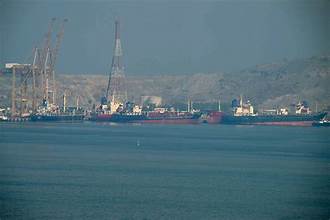
A prolonged blockade in the Strait of Hormuz has triggered a new wave of disruptions across global fertilizer markets, intensifying concerns over shrinking supplies, soaring prices, and their cascading effects on global food production systems. With nearly one-third of the world’s nitrogen and potash shipments passing through this vital maritime chokepoint, the ongoing restrictions are beginning to reverberate across agriculture-dependent economies, especially in Asia, Africa, and Latin America.
The Strait of Hormuz is one of the world’s most strategic trade routes for energy and agricultural inputs. While it is primarily known for crude oil and natural gas flows, the route also facilitates massive shipments of urea, ammonia, potash, phosphates, and key raw materials required for fertilizer manufacturing. The current blockade—now extending for several weeks—has significantly slowed vessel movement and increased freight risks, forcing exporters to divert shipments to longer alternative routes. This has added both time and cost, further tightening already stressed fertilizer supply chains.
Market analysts report that urea and diammonium phosphate (DAP) prices have surged sharply in the past two weeks, with some contracts quoting up to 25–30 percent higher than pre-blockade levels. Potash markets, which were already tightening due to geopolitical tensions in Eastern Europe, are now facing additional pressure as import-dependent nations struggle to secure volumes for the upcoming planting seasons. Major producing countries in the Gulf region, including Qatar, Saudi Arabia, and the UAE, are experiencing temporary logistical bottlenecks, limiting global exports at a critical time.
Agricultural economists warn that the price shock may soon translate into lower fertilizer application rates on farms worldwide. Reduced nutrient availability typically leads to weaker crop yields, particularly for staple crops like wheat, rice, maize, and oilseeds. Countries with limited fertilizer subsidies—especially in sub-Saharan Africa and parts of South Asia—are likely to face the steepest decline in nutrient use. This could exacerbate existing food security challenges, pushing millions more into vulnerability.
Governments across the globe are now exploring emergency measures to stabilize supply. Several Asian nations have initiated government-to-government negotiations to secure long-term fertilizer cargoes, while some European countries are encouraging domestic manufacturers to ramp up output despite high production costs. International organizations such as the FAO and IFAD have also expressed concern, urging coordinated global action to protect smallholder farmers from the fallout.
Shipping insurers have increased premiums for vessels approaching the Strait, adding another layer of cost that is ultimately passed down the supply chain. Additionally, traders fear that if the blockade continues, global inventories could fall to critically low levels by mid-year, resulting in even greater volatility in spot markets.
While diplomatic efforts are underway to resolve the crisis, experts caution that fertilizer markets may remain unstable for months even after an eventual reopening, as backlogged shipments and depleted stocks will take time to normalize. Until then, the world’s food production system remains exposed to significant risk—underscoring how fragile global agricultural inputs have become in the face of geopolitical tensions.


 By
By











