

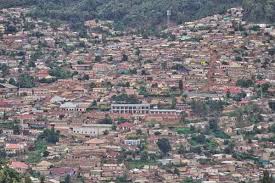
Rwanda is taking bold and innovative steps to safeguard its agricultural land as rapid urbanization threatens to reduce the country’s already limited arable resources. By combining advanced satellite monitoring with strict land-use regulations, the East African nation is emerging as a model for balancing development with food security.
As cities like Kigali continue to expand, pressure on farmland has intensified. With a growing population and increasing demand for housing and infrastructure, agricultural land is at risk of being converted into urban spaces. Recognizing this challenge, the Rwandan government has implemented stringent zoning laws that restrict the conversion of fertile farmland into non-agricultural use.
A key component of this strategy is the use of satellite technology to monitor land use in real time. Authorities can track changes in land patterns, identify unauthorized construction, and take swift action to prevent illegal encroachment on farmland. This data-driven approach ensures better enforcement of land policies and helps maintain agricultural productivity.
In addition to protecting rural farmland, Rwanda is also promoting urban agriculture as a complementary solution. Initiatives such as rooftop farming, vertical gardens, and hydroponic systems are gaining popularity, particularly in urban centers. These methods allow residents to grow vegetables and herbs in limited spaces, reducing dependence on rural supply chains and improving food access within cities.
Hydroponics, in particular, is being encouraged due to its efficiency and low water usage. By growing plants in nutrient-rich water instead of soil, urban farmers can produce high yields in compact environments. This approach not only supports food production but also aligns with Rwanda’s sustainability goals.
Government agencies and local organizations are working together to provide training, resources, and technical support to farmers and urban residents. These efforts aim to build awareness about sustainable land use and encourage the adoption of modern agricultural practices.
Experts believe that Rwanda’s integrated approach—protecting rural farmland while promoting urban agriculture offers a practical solution to one of the most pressing challenges facing developing nations. As climate change and population growth continue to strain global food systems, such strategies are becoming increasingly important.
However, challenges remain. Ensuring compliance with land-use regulations, scaling up urban farming initiatives, and maintaining affordability for small-scale farmers will require continued investment and policy support.
Despite these hurdles, Rwanda’s proactive measures highlight the importance of innovation and governance in securing the future of agriculture. By leveraging technology and forward-thinking policies, the country is not only preserving its farmland but also setting an example for sustainable urban development worldwide.


 By
By











