

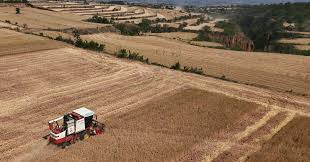
A severe and widespread drought is taking a heavy toll on agriculture across the United States, with nearly 60% of the country currently experiencing drought conditions. The prolonged dry spell is damaging key crops, shrinking pastureland, and putting immense pressure on farmers and ranchers. As a result, food supply chains are beginning to feel the strain—most notably in the beef sector, where prices have surged to new highs.
According to agricultural and climate reports, large parts of the Midwest and Great Plains—often referred to as the backbone of U.S. farming—are facing acute water shortages. Crops such as corn, soybeans, and wheat are particularly vulnerable, as insufficient rainfall and depleted soil moisture hinder their growth. Farmers are struggling to maintain yields, and in many cases, are being forced to abandon or reduce planting altogether.
The drought’s impact extends beyond crops to livestock production, especially cattle farming. With pastureland drying up and feed becoming scarce and expensive, ranchers are finding it increasingly difficult to sustain their herds. Many have been forced to sell off cattle earlier than planned, reducing overall herd sizes across the country.
This reduction in cattle inventories has had a direct effect on beef supply. As fewer animals are available for processing, beef production has declined, pushing prices upward in both domestic and international markets. Analysts note that cattle inventories in the U.S. have fallen to some of the lowest levels in decades, a trend that could take years to reverse.
Consumers are already feeling the impact at grocery stores and restaurants, where beef prices have risen significantly. The increase is not only affecting household budgets but also influencing food choices, as some consumers shift toward more affordable protein alternatives like poultry or plant-based options.
The economic implications are substantial. The United States is one of the world’s largest producers and exporters of agricultural commodities, and disruptions in its production can have ripple effects across global markets. Reduced output of grains and livestock products may contribute to higher international food prices, further intensifying food security concerns in import-dependent countries.
Climate experts warn that such extreme weather events are becoming more frequent and severe due to changing climate patterns. The current drought underscores the vulnerability of agriculture to environmental stress and highlights the urgent need for adaptive strategies.
In response, farmers and policymakers are exploring various mitigation measures. These include investing in drought-resistant crop varieties, improving irrigation efficiency, and adopting better water management practices. Government support programs are also being activated to provide financial relief to affected farmers and ranchers.
While some regions may see temporary relief if rainfall improves, the overall outlook remains uncertain. Recovery from drought is a slow process, particularly for livestock sectors where rebuilding herds takes time. Until conditions stabilize, both producers and consumers are likely to continue facing challenges.
In conclusion, the severe drought gripping the United States is not just an environmental issue—it is an agricultural and economic crisis with far-reaching consequences. From damaged crops to rising beef prices, the effects are being felt across the food system, emphasizing the need for resilience in the face of an increasingly unpredictable climate


 By
By











