

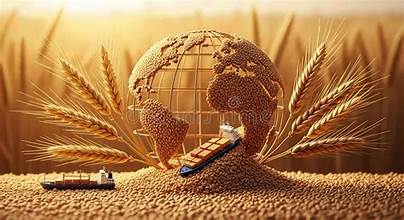
Global trade in grains has gained momentum as countries intensify imports to secure food supplies and manage price volatility. Nations such as South Korea and Thailand are actively purchasing large volumes of corn and wheat through international tenders, reflecting a surge in demand across global markets.
These bulk purchases are being driven by multiple factors, including rising domestic consumption, concerns over supply disruptions, and efforts to build strategic reserves. Import-dependent countries are particularly cautious amid ongoing uncertainties such as climate change impacts, geopolitical tensions, and fluctuating global production levels.
Traders report that recent tenders have attracted strong participation from major exporting countries, highlighting increased competition in the global grain market. Exporters from regions like the United States, South America, and the Black Sea are closely monitoring these developments, as higher demand creates new trade opportunities.
The increase in import activity also signals a shift in global supply chains. With production challenges in key regions such as Ukraine and parts of North America, buyers are diversifying their sourcing strategies to ensure consistent supply. This has led to more frequent tenders and flexible procurement approaches.
Corn and wheat, being essential commodities for food and feed, are at the center of this trade surge. Corn is widely used in livestock and poultry feed, while wheat remains a staple food grain in many parts of the world. Any fluctuation in their availability or pricing has a direct impact on food security and inflation.
Market experts believe that this heightened trade activity could continue in the coming months, especially if production uncertainties persist. While increased imports may help stabilize domestic markets for buying countries, they could also contribute to sustained price pressure globally.
Overall, the rise in grain trade reflects a proactive approach by countries to navigate an increasingly uncertain agricultural landscape, ensuring food availability while adapting to evolving global supply dynamics.


 By
By











