

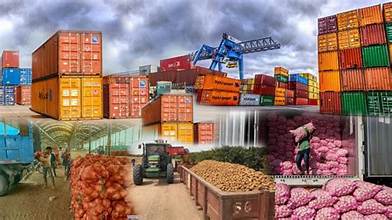
India is emerging as a key pillar of global food security as it anticipates a strong agricultural output in 2026. Amid rising geopolitical tensions, climate uncertainties, and supply chain disruptions affecting major food-producing regions, India has expressed confidence in its ability to help stabilize global food markets.
According to government estimates and early projections, favorable monsoon expectations, improved farming practices, and policy support are likely to drive higher production of key crops, including rice, wheat, pulses, and oilseeds. This anticipated surge in output could position India as a reliable supplier in international markets at a time when several countries are struggling with production shortfalls.
India’s strength lies in its diversified agricultural base and large-scale production capacity. As one of the world’s leading producers of rice and wheat, the country plays a critical role in meeting the food needs of both domestic and global populations. With increased output, India is expected to expand its export potential, particularly to regions facing shortages due to climate-related disruptions or geopolitical constraints.
The government has also been actively promoting modern agricultural practices and technological interventions to enhance productivity. Initiatives such as precision farming, improved seed varieties, and better irrigation management are helping farmers achieve higher yields while optimizing resource use. In addition, digital agriculture platforms and market reforms are enabling better price realization and efficient supply chain management.
Another contributing factor is the expected normal monsoon, which remains the backbone of Indian agriculture. Adequate rainfall not only supports crop growth but also replenishes water reservoirs and improves soil moisture levels, ensuring favorable conditions for both Kharif and Rabi seasons. A good monsoon could significantly boost rural incomes and strengthen overall agricultural performance.
India’s growing focus on food grain stock management is also playing a vital role. The country maintains substantial buffer stocks of essential commodities, allowing it to respond effectively to both domestic and international demand fluctuations. This strategic reserve system enhances resilience and provides the flexibility to increase exports when global supply is under pressure.
At the same time, policymakers are balancing export opportunities with domestic food security concerns. While India is keen to support global demand, it remains cautious about ensuring price stability and availability within the country. This dual approach is aimed at preventing inflationary pressures while contributing to global food supply stability.
Experts believe that India’s role in global agriculture is becoming increasingly significant, especially as traditional exporting nations face challenges such as droughts, conflicts, and rising input costs. By maintaining steady production and exploring new export markets, India could help ease pressure on global food prices and improve supply reliability.
However, challenges remain. Climate variability, rising input costs, and logistical constraints could still pose risks to achieving the projected output levels. Continued investment in infrastructure, research, and farmer support systems will be essential to sustain growth and meet both domestic and international expectations.
As the world navigates a period of heightened uncertainty, India’s optimistic agricultural outlook offers a measure of stability. If projections hold true, the country is well-positioned to play a crucial role in ensuring food availability and supporting global food systems in 2026 and beyond.


 By
By











