

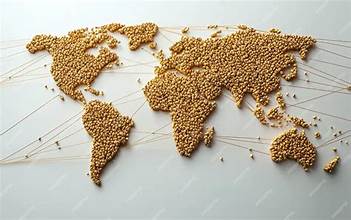
Global trade activity in key food grains has picked up pace, with a surge in international tenders for corn, wheat, and rice signaling heightened efforts by countries to secure stable food supplies. Nations such as South Korea and India are increasingly turning to global markets to manage domestic demand and build buffer stocks amid ongoing uncertainty in agricultural production and supply chains.
Recent weeks have seen a noticeable rise in government and private sector tenders for grain imports. Countries are actively purchasing large volumes of corn for feed, wheat for staple consumption, and rice for food security programs. This uptick reflects a cautious approach by policymakers who are aiming to mitigate risks associated with climate variability, geopolitical tensions, and fluctuating commodity prices.
In Asia, South Korea has remained a consistent buyer of corn and wheat, primarily to support its livestock and food processing industries. With limited domestic production capacity, the country relies heavily on imports and is known for proactive procurement strategies to avoid supply disruptions. Recent tenders indicate that South Korea is securing shipments well in advance to hedge against potential market volatility.
Meanwhile, India—traditionally a major exporter of rice and, at times, wheat—has also shown increased import activity in specific segments. While India continues to maintain strong domestic production, shifting weather patterns and strategic stock management have influenced its participation in global markets. Authorities are closely monitoring supply-demand dynamics to ensure adequate availability and price stability within the country.
The rise in trade activity is also being influenced by price movements in global commodity markets. As prices for certain grains stabilize or soften, importing countries are taking advantage of favorable conditions to replenish reserves. At the same time, exporters are actively engaging in tenders to capitalize on demand, leading to increased market liquidity.
According to the Food and Agriculture Organization, global grain trade plays a critical role in balancing regional supply and demand gaps. Efficient trade flows help ensure that surplus-producing regions can supply deficit areas, thereby supporting global food security. However, disruptions in logistics or trade policies can quickly impact availability and pricing.
Another factor driving increased trade is the need for food security planning. Many governments are prioritizing the creation of strategic reserves to cushion against potential shocks such as droughts, conflicts, or supply chain disruptions. This has led to more aggressive participation in international tenders, even when domestic supplies appear adequate.
While the current trend reflects strong demand and active market participation, analysts note that it also highlights underlying uncertainties in the global food system. Climate-related risks, energy price fluctuations, and geopolitical developments continue to influence production and trade patterns.
Overall, the rise in global grain trade activity underscores the importance of international markets in ensuring food availability. As countries like South Korea and India step up imports to secure supplies, the global agricultural trade system remains a crucial mechanism for maintaining balance and stability in an increasingly unpredictable environment.


 By
By











