

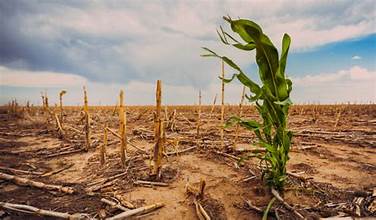
Climate change is increasingly transforming agricultural systems across the world, as extreme weather events such as heatwaves, prolonged droughts, and water shortages force farmers to rethink traditional practices. The growing intensity and frequency of these disruptions are not only affecting crop productivity but also posing serious risks to long-term global food security.
In recent years, farmers across multiple regions have experienced unpredictable weather patterns that are making crop planning more difficult. Extended heatwaves are damaging sensitive crops, reducing yields, and accelerating soil moisture loss. At the same time, irregular rainfall and water scarcity are limiting irrigation capacity, particularly in regions that already face water stress.
According to the Food and Agriculture Organization, climate variability is one of the most significant challenges confronting modern agriculture. Rising temperatures are altering growing seasons, shifting pest and disease patterns, and affecting the suitability of land for certain crops. These changes are forcing farmers to adapt quickly in order to sustain production levels.
Water availability has become a central concern. Many agricultural regions depend heavily on consistent rainfall or groundwater for irrigation. However, changing precipitation patterns and over-extraction of water resources are leading to shortages. In countries across Asia and Africa, declining water tables are already impacting farming activities, forcing farmers to either invest in costly irrigation systems or switch to less water-intensive crops.
To cope with these challenges, farmers are adopting a range of climate-smart practices. These include the use of drought-resistant crop varieties, improved soil management techniques to retain moisture, and precision agriculture tools that optimize input use. In some cases, crop diversification is being used as a risk management strategy to reduce dependence on a single harvest.
However, these adaptations come with economic and technical barriers. Smallholder farmers, who form a large portion of the global agricultural workforce, often lack access to financial resources, technology, and training required to implement such changes effectively. This creates disparities in resilience, with vulnerable communities facing greater risks from climate impacts.
The effects of climate change are also being felt across food supply chains. Reduced agricultural output in key producing regions can lead to supply shortages, price volatility, and increased dependence on imports. This, in turn, can exacerbate food insecurity, particularly in low-income countries where access to affordable food is already limited.
Governments and international organizations are increasingly emphasizing the need for long-term strategies to build resilience in agriculture. Investments in sustainable farming practices, water management systems, and climate-resilient infrastructure are seen as critical steps. Additionally, policy support, research, and global cooperation will play a key role in helping farmers adapt to changing conditions.
The ongoing transformation of agriculture due to climate change highlights the urgency of addressing environmental challenges while ensuring food production keeps pace with a growing global population. Without coordinated action, the combined effects of extreme weather, resource constraints, and shifting ecosystems could significantly undermine global food security in the years ahead.


 By
By











