

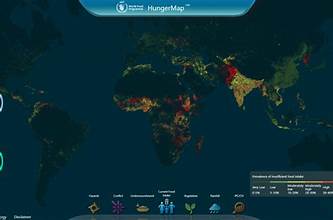
The World Food Programme (WFP) has introduced HungerMap LIVE, a cutting-edge artificial intelligence-based platform aimed at revolutionizing how global hunger is monitored and managed. The new system provides real-time data on food security conditions across more than 50 countries, helping authorities and aid agencies respond more quickly and effectively to emerging crises.
HungerMap LIVE combines a wide range of data sources, including satellite imagery, weather updates, food prices, and field reports. By processing this information through advanced AI algorithms, the platform offers a comprehensive and up-to-date picture of hunger levels worldwide. This enables decision-makers to identify vulnerable regions and understand the severity of food insecurity in near real time.
One of the most significant features of the platform is its predictive capability. Using machine learning models, HungerMap LIVE can forecast potential hunger hotspots weeks or even months in advance. This allows governments and humanitarian organizations to act proactively rather than reactively, ensuring that food aid and resources are delivered before situations worsen.
The platform is particularly useful in regions facing multiple challenges such as climate change, armed conflict, and economic instability. In areas where droughts, floods, or displacement are common, food insecurity can escalate rapidly. HungerMap LIVE helps track these risks and presents clear insights that support better planning and targeted interventions.
Another key benefit of the system is its open accessibility. HungerMap LIVE is available to the public, making it a valuable resource for researchers, journalists, and development organizations. This transparency is expected to improve coordination among stakeholders and strengthen accountability in global hunger response efforts.
WFP officials have also highlighted the cost-saving potential of the platform. By identifying high-risk areas early and enabling timely interventions, the system can reduce the overall cost of humanitarian operations. Early action helps prevent severe hunger, protects livelihoods, and minimizes long-term damage to communities.
The launch of HungerMap LIVE comes at a critical time when global hunger remains a major concern. Ongoing conflicts, economic disruptions, and climate-related events continue to threaten food security in many parts of the world. In this scenario, technology-driven solutions are becoming increasingly essential to tackle complex humanitarian challenges.
With this initiative, the World Food Programme aims to modernize hunger monitoring and improve the efficiency of global food assistance. HungerMap LIVE represents a significant step toward ensuring that aid reaches the most vulnerable populations quickly, accurately, and effectively.


 By
By











