

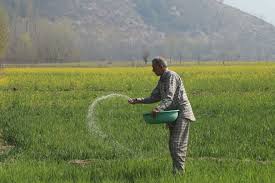
The Food and Agriculture Organization (FAO) has issued a stark warning about a potential global agrifood crisis, citing prolonged disruptions in fertilizer and energy supply routes as a major threat to food production systems worldwide. The alert highlights growing vulnerabilities in global agriculture, particularly in developing countries that are heavily dependent on imports for critical inputs.
A key concern raised by the FAO is the strategic importance of global trade corridors such as the Strait of Hormuz. This narrow shipping route is a vital artery for the transport of oil and natural gas—both essential for fertilizer production and agricultural operations. Any disruption in this region can trigger a sharp increase in energy prices, which in turn raises the cost of fertilizers and farm inputs globally.
Fertilizers, especially nitrogen-based ones, are closely linked to energy markets because their production relies heavily on natural gas. When energy supplies are constrained or prices surge, fertilizer production becomes more expensive, leading to reduced availability and higher costs for farmers. This situation is already being felt in several parts of the world, where farmers are cutting back on fertilizer use due to affordability issues.
The FAO warns that such trends could significantly lower crop yields, particularly for staple foods like wheat, rice, and maize. Developing nations, where agricultural systems are often less resilient and more dependent on external inputs, are expected to be the hardest hit. Reduced production in these regions could exacerbate hunger, malnutrition, and economic instability.
Another layer of concern is the interconnected nature of global supply chains. Disruptions in one region can quickly cascade across markets, affecting food availability and prices worldwide. Rising transportation costs, delays in shipments, and export restrictions further complicate the situation, making it harder for countries to secure essential agricultural inputs.
The UN agency is urging governments to take immediate and coordinated action to mitigate these risks. Recommended measures include maintaining open trade channels, investing in local fertilizer production, and supporting farmers through targeted subsidies and financial assistance. There is also a strong emphasis on improving efficiency in input use and promoting sustainable agricultural practices to reduce dependency on volatile global markets.
Experts believe that without timely intervention, the combined impact of energy shortages and fertilizer disruptions could lead to a significant contraction in global food production. This would likely result in higher food prices, increased food insecurity, and greater pressure on humanitarian systems.
The FAO’s warning serves as a critical reminder of how deeply interconnected energy, agriculture, and global trade systems have become. As uncertainties continue to grow, ensuring stability in supply routes and access to essential inputs will be crucial in preventing a full-scale global food crisis.


 By
By











