

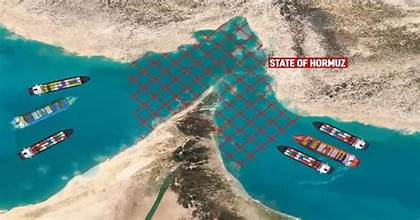
A potential disruption in the Strait of Hormuz could have far-reaching consequences for global food security, according to the Food and Agriculture Organization (FAO). The agency has cautioned that instability in this critical maritime route may lead to sharp increases in food prices and declining agricultural productivity worldwide.
The Strait of Hormuz is one of the most important global shipping lanes, through which a significant portion of the world’s energy supplies—including crude oil and natural gas—are transported. It is also a key route for fertilizers and agricultural inputs. Any disruption in this corridor can severely impact supply chains, leading to higher input costs for farmers.
Fertilizers, which are heavily dependent on energy markets, are particularly vulnerable. A supply disruption could drive up fertilizer prices, making them less accessible—especially for farmers in developing countries. Reduced fertilizer use would likely result in lower crop yields, directly affecting global food production.
The FAO warns that such a scenario could trigger a chain reaction across food systems. Higher production costs would translate into increased food prices, putting additional pressure on already vulnerable populations. Developing nations, which rely heavily on imports for both food and agricultural inputs, are expected to be the hardest hit.
In addition to fertilizers, rising fuel prices would increase transportation and irrigation costs, further straining agricultural operations. This could disrupt not only crop production but also food distribution networks, making essential commodities more expensive and less accessible.
The report underscores the interconnected nature of global food systems, where geopolitical tensions in one region can quickly escalate into worldwide challenges. It calls for stronger international cooperation, diversified supply chains, and strategic reserves to mitigate such risks.
Experts emphasize that proactive measures—such as promoting alternative fertilizer sources, improving efficiency in input use, and investing in resilient agricultural practices—will be critical in minimizing the potential impact of such disruptions.
Overall, the warning highlights the fragile balance of global food systems and the urgent need to safeguard critical supply routes like the Strait of Hormuz to ensure stable food production and prices worldwide.


 By
By











