

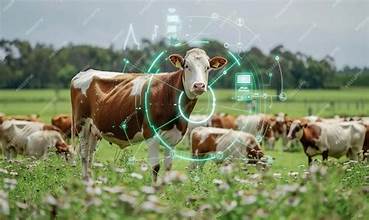
A quiet technological revolution is underway in the world’s grazing lands, where artificial intelligence (AI) is transforming how farmers manage pasture resources. From small-scale livestock keepers to large commercial ranches, AI-powered tools are enabling more precise measurement of pasture availability, leading to improved grazing efficiency, better animal nutrition, and enhanced environmental sustainability.
Traditionally, pasture management has relied heavily on manual observation and experience-based decision-making. Farmers would estimate grass availability, often leading to overgrazing or underutilization of land. However, new AI-driven solutions are changing this paradigm. Using satellite imagery, drones, and ground-based sensors, these systems can accurately assess pasture biomass, growth rates, and soil health in real time.
One of the key advantages of AI in pasture management is its ability to provide data-driven recommendations. Advanced algorithms analyze weather patterns, soil moisture levels, and vegetation indices to guide farmers on when and where to graze livestock. This helps prevent overgrazing, which is a major cause of land degradation and reduced productivity.
Organizations like Food and Agriculture Organization have consistently highlighted the importance of sustainable grazing practices, especially in the face of climate change. AI tools align closely with these goals by promoting efficient land use and reducing pressure on fragile ecosystems. By optimizing grazing cycles, farmers can allow pastures to regenerate naturally, improving long-term soil fertility and biodiversity.
In addition to environmental benefits, AI-powered pasture management significantly enhances livestock productivity. With precise data on pasture quality, farmers can ensure that animals receive optimal nutrition, leading to better weight gain, improved milk production, and overall herd health. Some systems even integrate wearable devices for livestock, monitoring feeding patterns and movement to further refine grazing strategies.
Another emerging trend is the integration of mobile applications that provide farmers with easy access to AI insights. These apps deliver real-time alerts and recommendations, making advanced technology accessible even in remote rural areas. This democratization of technology is particularly beneficial for developing countries, where efficient resource management is critical for food security.
Despite its promise, the adoption of AI in pasture management is not without challenges. High initial investment costs, lack of digital literacy, and limited internet connectivity in rural regions can hinder widespread implementation. However, governments and private stakeholders are increasingly investing in digital agriculture initiatives to bridge these gaps.
Experts believe that as AI technologies become more affordable and user-friendly, their adoption will accelerate rapidly. The integration of machine learning with traditional farming knowledge has the potential to create a more resilient and sustainable livestock sector.
In a world grappling with climate change, population growth, and shrinking natural resources, AI-driven pasture management offers a practical solution. By combining precision agriculture with ecological balance, this innovation is not just improving farm productivity—it is redefining the future of sustainable livestock farming worldwide.


 By
By











