

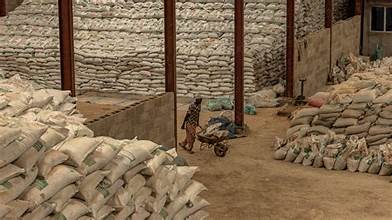
A deepening fertilizer crisis is raising alarms across global agricultural markets, as disruptions in critical trade routes—particularly the Strait of Hormuz—are constraining the availability of key farm inputs. The situation is forcing farmers worldwide to cut back on fertilizer use, potentially leading to lower crop yields and rising food prices.
The Strait of Hormuz is a vital corridor for energy supplies, including natural gas, which is a primary feedstock for nitrogen-based fertilizers. Ongoing geopolitical tensions in the region have disrupted shipping flows and increased transportation costs, creating ripple effects across the global fertilizer supply chain.
As fertilizer prices surge, farmers in major agricultural regions—including Asia, Africa, and parts of Latin America—are reducing application rates to manage rising input costs. While this may offer short-term financial relief, experts warn that under-application of fertilizers can significantly impact soil fertility and crop productivity, particularly for staple crops such as wheat, maize, and rice.
The crisis is further compounded by existing supply constraints in potash and phosphate markets, where production and exports have already been affected by geopolitical and logistical challenges. This synchronized disruption across multiple fertilizer segments is intensifying concerns about a potential decline in global agricultural output.
Agricultural economists caution that even a modest reduction in fertilizer use could translate into substantial yield losses, especially in regions heavily dependent on external inputs. This, in turn, may tighten global food supplies and contribute to higher food inflation, disproportionately affecting low- and middle-income countries.
Governments and international organizations are closely monitoring the situation, with some countries exploring alternative sourcing strategies, subsidies, and domestic production to stabilize supply. However, experts stress that restoring supply chain stability will be critical to avoiding a broader food crisis.
As the fertilizer crunch continues, the global agriculture sector faces a difficult balancing act—managing rising input costs while sustaining productivity—highlighting the fragile interdependence between geopolitics, energy markets, and food security.


 By
By











