

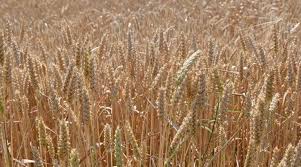
Global wheat and barley markets are facing increasing pressure as dry weather conditions in the U.S. Plains and several parts of Europe raise concerns over crop production prospects for the 2026–27 season. Agricultural analysts say the unfavorable weather outlook is supporting higher international grain prices and increasing uncertainty across global commodity markets.
In the United States, below-normal rainfall and persistent dryness across major wheat-growing Plains states are affecting crop development during critical growth stages. Farmers are closely monitoring soil moisture conditions as continued drought stress could reduce both yield potential and grain quality.
At the same time, several regions in Europe are also experiencing warmer temperatures and limited rainfall, creating additional pressure on winter wheat and barley crops. Market experts warn that prolonged weather instability could tighten export availability from key grain-producing countries during the upcoming marketing season.
The growing production concerns have already pushed international wheat and barley prices higher in global trading markets. Commodity traders believe that lower harvest expectations, combined with relatively tight grain inventories, may keep prices elevated over the coming months.
Agricultural economists note that wheat and barley are critical commodities for food processing, livestock feed, and brewing industries worldwide. Any significant decline in production could increase raw material costs for flour mills, feed manufacturers, and food companies, potentially contributing to higher consumer food prices.
Experts also point out that climate-related risks are becoming a major factor influencing grain markets globally. Repeated droughts, heatwaves, and irregular weather patterns are increasing volatility in agricultural production and making long-term supply forecasting more difficult.
Import-dependent countries may face additional financial pressure if global grain supplies tighten further. Governments and food companies are therefore closely monitoring weather developments in major producing regions as the 2026–27 crop season progresses.
Analysts believe that favorable rainfall in the coming weeks could help stabilize crop conditions, but continued dryness may further strengthen global grain prices and increase concerns over food inflation and supply security.


 By
By











