

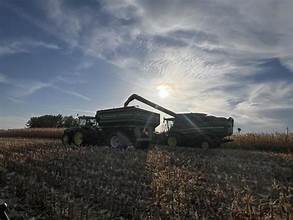
South Africa is expected to achieve one of its largest corn harvests in recent years as favorable La Niña weather conditions continue supporting agricultural production across major farming regions. According to analysts from the United States Department of Agriculture (USDA), strong seasonal rainfall, improved soil moisture, and timely crop planting have significantly enhanced corn yield potential for the current production season.
Agricultural experts say the strong performance of South Africa’s corn sector is a positive development for both domestic food security and regional grain markets. Corn is one of the country’s most important staple and feed crops, widely used for human consumption, livestock feed, and industrial processing.
The latest agricultural assessments indicate that weather conditions during the planting and crop development stages have been particularly favorable across several key corn-producing provinces. Sufficient rainfall has improved soil water reserves and supported healthy crop growth throughout the season.
La Niña Brings Relief to Farmers
Climate specialists note that La Niña weather patterns often bring above-average rainfall to parts of southern Africa, creating favorable conditions for crop production. After facing periodic drought concerns and weather-related uncertainty in previous years, many South African farmers have benefited from consistent rainfall and improved planting conditions this season.
USDA analysts reported that timely planting operations allowed crops to fully utilize early-season moisture availability. Combined with moderate temperatures and reduced heat stress during critical growth stages, these conditions have contributed to strong crop establishment and better yield expectations.
Farmers in several regions are reporting healthy crop stands and strong grain development, raising optimism for a potentially near-record national harvest. Improved pasture conditions have also benefited livestock producers by increasing fodder availability and reducing feed pressure.
Corn Production Important for Regional Food Supply
South Africa is one of Africa’s leading corn producers and exporters, playing a major role in supplying grain to neighboring countries across the southern African region. Strong harvests in South Africa often help stabilize regional food markets and reduce import dependence for countries facing production shortages.
Agricultural economists say a large corn crop could help ease grain prices and strengthen feed supplies for the poultry, dairy, and livestock sectors. Higher domestic production may also support export opportunities, especially as several global grain markets continue facing supply uncertainty linked to climate events and geopolitical tensions.
White corn, commonly used for human consumption, and yellow corn, largely utilized for animal feed, both remain critical components of South Africa’s agricultural economy. Stable production is therefore considered important not only for farmers but also for food manufacturers and consumers.
Improved Farming Practices Supporting Growth
Alongside favorable weather conditions, improved farming practices and modern agricultural technologies are also contributing to better productivity levels. Farmers are increasingly adopting advanced seed varieties, precision farming methods, conservation agriculture, and improved nutrient management systems to enhance crop performance.
Agricultural experts believe these innovations are helping South African producers become more resilient to climate variability while improving long-term soil health and productivity.
However, analysts caution that weather conditions during the remaining stages of the growing season will still be important in determining final production outcomes. Unexpected storms, flooding, or late-season dry spells could still influence harvest quality and overall output.
Positive Outlook for Agricultural Sector
The strong corn production outlook is being viewed as an encouraging sign for South Africa’s broader agricultural sector, which continues to play a vital role in employment, exports, and rural economic development.
Economists say a successful harvest could help improve farm incomes, strengthen grain reserves, and support economic activity in rural communities. Increased corn availability may also contribute to moderating food inflation pressures in the domestic market.
The USDA’s latest assessment highlights how favorable climatic conditions, combined with efficient farm management, can significantly improve agricultural productivity. As global food systems continue facing challenges from climate change and market volatility, South Africa’s expected near-record corn harvest offers a positive example of agricultural resilience and strong production potential.


 By
By











