

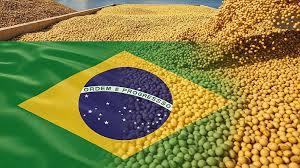
Brazil has further cemented its position as the world’s largest soybean producer and exporter after reporting another year of record soybean production and export volumes. The strong performance underscores the country’s growing influence in global agricultural markets and reinforces its role as a key supplier of oilseeds to major importing nations.
The expansion of soybean production has been driven by favorable growing conditions in several agricultural regions, improvements in farming technology, and continued investment in large-scale commercial agriculture. As global demand for soybeans remains strong, Brazil’s record harvest is expected to have a significant impact on international trade flows and commodity markets.
Rising Production Driven by Expanded Cultivation
Brazilian farmers have continued to increase soybean acreage in response to strong international demand and attractive market opportunities. Combined with advances in seed technology, precision farming practices, and efficient crop management systems, the expansion has resulted in exceptionally high yields across many producing states.
Major soybean-growing regions such as Mato Grosso, Paraná, Goiás, and Rio Grande do Sul have played a crucial role in supporting national production growth. Improved logistics infrastructure and greater access to modern agricultural equipment have also contributed to the sector’s continued expansion.
Agricultural analysts note that Brazil’s ability to consistently increase production has strengthened its competitiveness in global markets.
Export Growth Reinforces Global Market Leadership
Record production has translated into higher export volumes, allowing Brazil to further expand its share of international soybean trade. The country supplies soybeans to a wide range of markets, with Asia remaining the primary destination for exports.
Strong demand from livestock feed manufacturers, vegetable oil processors, and biofuel producers continues to support global soybean consumption. As a result, Brazilian exporters have benefited from sustained international buying interest throughout the marketing year.
Industry observers believe Brazil’s growing export capacity is enhancing its influence over global oilseed supply chains and increasing its importance in international food and feed markets.
Increased Competition in Oilseed Markets
Brazil’s record harvest is intensifying competition among major soybean-producing countries. Exporters from other leading producers are facing increased pressure as Brazil continues to expand both production and export infrastructure.
The country’s competitive advantages include abundant agricultural land, favorable climate conditions in key growing regions, and ongoing investments in transportation networks such as highways, railways, and port facilities. These factors help reduce logistical bottlenecks and improve export efficiency.
As Brazil strengthens its position, global buyers are gaining access to larger supplies, potentially influencing trade patterns and pricing dynamics across oilseed markets.
Importance for Global Food and Feed Industries
Soybeans are among the world’s most important agricultural commodities, serving as a key source of protein and vegetable oil. Soybean meal is widely used in livestock and poultry feed, while soybean oil is utilized in food processing, cooking products, and renewable fuel production.
The increase in Brazilian production is expected to support global supplies and help meet growing demand from both developed and emerging economies. Higher availability may also provide some stability to international markets if weather-related challenges affect production in other regions.
Outlook Remains Positive
Agricultural experts remain optimistic about Brazil’s long-term soybean prospects. Continued adoption of advanced farming technologies, investments in infrastructure, and strong export demand are expected to support future growth.
However, challenges such as climate variability, environmental concerns, transportation costs, and fluctuations in global commodity prices will continue to influence the sector. Despite these uncertainties, Brazil is well positioned to remain a dominant force in global soybean production and trade.
With record harvests and expanding exports, the country is expected to play an increasingly important role in shaping the future of global agriculture and oilseed markets in the years ahead.


 By
By











