

Global food security is facing renewed pressure as international organizations warn that a combination of trade disruptions, rising agricultural production costs, and geopolitical uncertainties could increase the risk of food shortages and higher food prices over the next two years. Experts believe that without coordinated action, millions of vulnerable people around the world may struggle to access affordable and nutritious food.
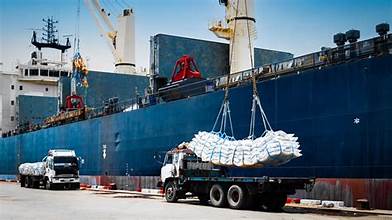
Recent assessments from international agricultural and development agencies indicate that food supply chains remain vulnerable to a variety of external shocks. Ongoing geopolitical tensions, restrictions on trade routes, and disruptions in transportation networks have increased uncertainty in global agricultural markets. These challenges are affecting the movement of key commodities such as wheat, maize, rice, vegetable oils, and fertilizers, which play a crucial role in global food production.
Agricultural producers are also grappling with higher input costs. Prices of fertilizers, fuel, farm machinery, and crop protection products remain elevated in many regions. Rising production expenses are reducing profit margins for farmers and increasing the overall cost of food production. In some developing countries, small-scale farmers are finding it particularly difficult to secure affordable inputs, which could affect crop yields and future food supplies.
Climate-related challenges are adding further pressure to the global food system. Extreme weather events, including droughts, floods, heatwaves, and storms, have disrupted agricultural production in several major farming regions. Scientists and policymakers warn that climate variability could continue to impact harvests, making it more difficult to maintain stable food supplies and predictable market conditions.
Food security experts emphasize that low-income and import-dependent nations remain the most vulnerable. Many countries rely heavily on imported food and agricultural inputs, making them sensitive to fluctuations in international markets. Higher import costs and supply disruptions can quickly translate into increased food prices for consumers, placing additional strain on household budgets and raising concerns about malnutrition and hunger.
International agencies are encouraging governments to strengthen food supply chains and invest in agricultural resilience. Recommended measures include improving storage and transportation infrastructure, supporting domestic food production, promoting climate-smart farming practices, and enhancing access to agricultural technology. Expanding social protection programs and targeted food assistance initiatives are also considered essential for protecting vulnerable populations from the effects of rising food prices.
Many experts believe that international cooperation will be critical in addressing future food security risks. Open and transparent trade policies, timely sharing of market information, and coordinated efforts to maintain the flow of agricultural commodities can help reduce uncertainty and stabilize global food markets.
Despite current challenges, analysts note that advances in agricultural research, digital farming technologies, and climate-resilient crop development offer opportunities to strengthen global food systems over the long term. However, they stress that proactive investment and policy support will be necessary to ensure these innovations reach farmers and communities that need them most.
As governments, international organizations, and agricultural stakeholders prepare for potential challenges in 2026 and 2027, ensuring reliable access to food remains a top global priority. Strengthening resilience across the food supply chain will be essential to safeguarding food security and supporting sustainable agricultural development worldwide.


 By
By











