

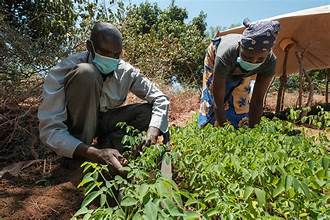
Governments, agricultural research institutions, and international development organizations are significantly increasing investments in climate-resilient agriculture as farmers face growing challenges from droughts, floods, heatwaves, and other extreme weather events. The expanding focus on climate adaptation is driving the development of innovative farming technologies and sustainable production systems designed to strengthen global food security.
Agriculture remains one of the sectors most vulnerable to climate variability. Unpredictable rainfall patterns, rising temperatures, and increasing frequency of extreme weather events are affecting crop yields, livestock productivity, and water availability across many farming regions. In response, policymakers and researchers are accelerating efforts to equip farmers with tools and technologies that can help them adapt to changing environmental conditions.
One of the most important areas of investment is the development of drought-tolerant crop varieties. Plant breeders and agricultural scientists are working to create crops capable of maintaining productivity under limited water conditions. Improved varieties of wheat, rice, maize, soybeans, and other staple crops are being developed to withstand drought stress, high temperatures, and emerging pest and disease threats. These innovations are expected to play a crucial role in maintaining food production as climate risks increase.
Precision agriculture is also gaining widespread attention. Modern farming technologies such as satellite monitoring, remote sensing, drones, soil sensors, and GPS-guided equipment allow farmers to make more informed decisions regarding irrigation, fertilizer application, and crop management. By using resources more efficiently, precision agriculture helps reduce production costs while improving productivity and environmental sustainability.
Digital farming tools are becoming increasingly important in agricultural adaptation strategies. Mobile applications, artificial intelligence systems, weather forecasting platforms, and digital advisory services provide farmers with real-time information on weather conditions, pest outbreaks, market trends, and crop management practices. Improved access to timely information enables farmers to respond more effectively to climate-related risks and changing field conditions.
Climate-smart farming systems are another key component of resilience-building efforts. These systems integrate sustainable agricultural practices that enhance productivity while reducing environmental impacts. Techniques such as conservation agriculture, crop diversification, integrated nutrient management, agroforestry, and efficient water-use practices are being promoted in many countries to improve long-term farm sustainability.
International organizations and development agencies are increasingly supporting climate adaptation programs through technical assistance, research funding, and farmer training initiatives. Collaborative projects involving governments, universities, private-sector companies, and farming communities are helping accelerate the adoption of resilient agricultural technologies and management practices.
Experts emphasize that strengthening agricultural resilience is essential for ensuring future food security. Global food demand is expected to continue rising as populations grow, making it increasingly important to protect agricultural production from climate-related disruptions. Investments in climate-resilient agriculture can help reduce the vulnerability of farming systems while supporting stable food supplies and rural livelihoods.
Smallholder farmers, particularly in developing countries, are expected to benefit significantly from these initiatives. Access to improved seeds, modern technologies, climate information, and sustainable farming practices can enhance productivity and reduce exposure to weather-related risks.
As climate challenges continue to intensify, the transition toward climate-resilient agriculture is becoming a global priority. The growing investment in drought-tolerant crops, precision agriculture, digital technologies, and climate-smart farming systems reflects a broader effort to build more sustainable, productive, and resilient food systems capable of meeting the demands of future generations.


 By
By











