

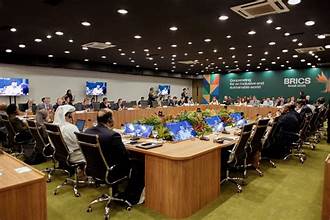
Agricultural cooperation is emerging as a key priority among BRICS nations as member countries seek to strengthen food security, improve trade flows, and build more resilient farming systems. Recent discussions within the grouping have focused on expanding agricultural partnerships, ensuring fertilizer availability, promoting sustainable farming practices, and addressing the growing challenges posed by climate change.
With BRICS countries representing a significant share of the world’s population, agricultural production, and food consumption, closer collaboration is seen as an important step toward securing stable food supplies and supporting global agricultural markets. Policymakers and industry leaders have emphasized the need for stronger coordination in areas such as agricultural trade, technology exchange, research, and investment.
One of the major topics under discussion is fertilizer availability, which remains critical for maintaining crop productivity. Member countries are exploring ways to improve supply chains, reduce market disruptions, and ensure farmers have access to essential inputs at affordable prices. Stable fertilizer supplies are considered vital for increasing agricultural output and supporting food security objectives.
Climate resilience has also become a central focus as extreme weather events continue to affect farming systems worldwide. BRICS nations are encouraging the adoption of climate-smart agriculture, drought-resistant crop varieties, efficient water management practices, and innovative technologies that can help farmers adapt to changing environmental conditions.
In addition, discussions have highlighted the importance of developing common sustainability standards that support agricultural growth while protecting natural resources. Greater cooperation in sustainable farming practices could help improve productivity, reduce environmental impacts, and strengthen long-term food security.
Agricultural experts believe enhanced collaboration among BRICS countries could create new opportunities for trade, investment, and knowledge sharing across the agricultural sector. By working together on shared challenges, member nations aim to strengthen their food systems and contribute to greater stability in global agricultural markets.
As global demand for food continues to rise, BRICS countries are increasingly positioning agricultural cooperation as a strategic tool for supporting economic growth, improving rural livelihoods, and ensuring reliable food supplies for the future.


 By
By











