

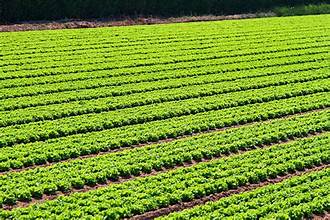
Agricultural trade and sustainability are emerging as top priorities for governments, policymakers, and industry leaders as they work to strengthen global food systems amid economic uncertainty and climate-related challenges. Across international forums, there is growing consensus that closer cooperation and coordinated policies are essential to ensuring stable markets, supporting farmers, and promoting long-term agricultural resilience.
Efforts are increasingly focused on creating transparent and efficient agricultural value chains that can withstand disruptions caused by extreme weather, geopolitical tensions, and fluctuating commodity prices. By improving trade cooperation and reducing barriers, countries aim to facilitate the smooth movement of food and agricultural products while enhancing global food security.
Rural development has also become a key component of these discussions. Policymakers are advocating for greater investment in farming communities through better infrastructure, access to finance, digital technologies, and agricultural extension services. Such initiatives are expected to improve productivity, generate employment opportunities, and raise incomes for millions of smallholder farmers.
Sustainability remains at the heart of many proposed reforms. Governments and industry stakeholders are promoting environmentally responsible farming practices, efficient use of natural resources, reduced food loss and waste, and lower greenhouse gas emissions throughout agricultural supply chains. Strengthening traceability and encouraging sustainable sourcing are also gaining importance in international markets.
Experts note that collaboration between the public and private sectors will be critical to achieving these goals. Investments in research, innovation, climate-resilient technologies, and modern logistics can help build more competitive and adaptable agricultural systems while supporting economic growth.
As global demand for food continues to rise, international cooperation on agricultural trade and sustainability is expected to play an increasingly important role in maintaining market stability, improving rural livelihoods, and ensuring that food systems remain resilient in the face of future environmental and economic challenges.


 By
By


 bd9777ape says:








