

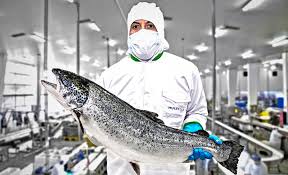
Global aquaculture production has surpassed 100 million tonnes for the first time in history, according to the latest fisheries and aquaculture report released by the Food and Agriculture Organization (FAO). The achievement highlights the rapid growth of fish farming and its increasing role in meeting the world’s food needs amid rising population, climate challenges, and pressure on natural fisheries.
The report reveals that aquaculture has become one of the fastest-growing food production sectors globally, contributing significantly to the supply of fish, shellfish, and other aquatic products. With wild fish stocks facing increasing environmental and sustainability concerns, aquaculture is emerging as a vital solution for ensuring long-term food security and nutritional availability.
FAO noted that global demand for aquatic foods continues to rise due to growing awareness of their nutritional benefits, including high-quality protein, essential fatty acids, vitamins, and minerals. As a result, fish farming has expanded across regions, supported by technological advancements, improved breeding practices, and better feed management systems.
The milestone comes at a time when international trade in aquatic products has also reached record values. Global exports of fish and seafood products have increased substantially, driven by strong consumer demand in both developed and emerging economies. The sector now supports millions of jobs worldwide, ranging from fish farmers and processors to exporters and retailers.
Experts believe the growth of aquaculture is transforming the global food system. Countries across Asia, Africa, Latin America, and Europe are investing heavily in sustainable aquaculture practices to enhance production while minimizing environmental impacts. Innovations such as recirculating aquaculture systems, precision feeding technologies, and disease management tools are helping producers improve efficiency and sustainability.
According to the FAO, aquaculture now supplies more than half of the aquatic animals consumed globally. This shift reflects a broader transition in food production, where farmed fish are increasingly filling the gap left by stagnating or declining wild-capture fisheries. Species such as salmon, tilapia, shrimp, carp, and catfish continue to dominate global aquaculture output.
Industry leaders have welcomed the report, describing it as evidence of the sector’s growing importance in addressing global hunger and malnutrition. They emphasize that responsible aquaculture can provide affordable, nutritious food while creating economic opportunities in rural and coastal communities.
However, the FAO also stressed the need for sustainable growth. Challenges such as water quality management, disease outbreaks, biodiversity conservation, and climate resilience must be addressed to ensure the long-term success of the industry. Policymakers are being encouraged to strengthen regulations, support research and innovation, and promote environmentally responsible farming practices.
As global food systems face increasing pressure from population growth and climate change, the record-breaking achievement of crossing 100 million tonnes underscores aquaculture’s critical role in feeding the future. With continued investment and sustainable management, fish farming is expected to remain a cornerstone of global food security and economic development for decades to come.


 By
By











