

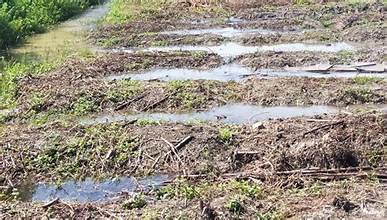
Farmers across parts of Europe are witnessing some of the earliest crop harvests ever recorded, as prolonged drought and exceptionally high temperatures accelerate crop development and force fields to mature weeks ahead of schedule. In Slovakia, farmers have already begun harvesting barley and peas significantly earlier than normal, underscoring the growing challenges climate change poses to agricultural production.
Agricultural experts report that unusually warm weather and a severe lack of rainfall throughout the spring and early summer have hastened crop growth cycles. While early maturity allows harvesting to begin sooner, it often comes at the cost of lower yields and reduced grain quality because crops have less time to develop fully.
Farmers in several regions of Slovakia have described the current season as one of the driest in recent memory. Soil moisture levels have declined sharply, and many crops have experienced water stress during critical growth stages. As a result, barley and pea fields reached harvest readiness weeks earlier than the historical average.
The situation reflects a broader pattern emerging across Europe, where rising temperatures and increasingly frequent extreme weather events are reshaping agricultural calendars. Scientists warn that climate change is contributing to longer heatwaves, more intense droughts, and greater variability in rainfall patterns, creating new challenges for farmers and food producers.
Barley, a key crop used for animal feed and the brewing industry, is particularly sensitive to moisture shortages during grain filling. Similarly, pea crops can suffer significant yield reductions when exposed to prolonged heat and drought. While harvesting has begun earlier, many producers remain concerned about final production volumes and crop quality.
Agricultural analysts note that early harvests are becoming more common across several European countries. Regions traditionally known for stable growing conditions are increasingly facing weather extremes that affect planting schedules, crop development, and harvest timing. This trend is prompting farmers to reconsider crop varieties, irrigation strategies, and overall farm management practices.
The economic implications could extend beyond individual farms. Lower crop yields may reduce supplies available for domestic consumption, livestock feed, and export markets. If drought conditions persist across wider areas of Europe, grain prices could face upward pressure in regional and international markets.
European agricultural authorities are encouraging farmers to adopt climate-resilient practices, including drought-tolerant crop varieties, improved soil management, water conservation measures, and precision agriculture technologies. Such adaptations are viewed as essential for maintaining productivity under increasingly unpredictable weather conditions.
Researchers emphasize that climate change is not only affecting crop yields but also altering the timing of key agricultural activities. Earlier planting, accelerated growth, and premature harvesting are becoming more frequent, requiring farmers to adapt quickly to changing environmental conditions.
As Europe continues to experience rising temperatures and recurring drought episodes, the record-early harvests in Slovakia serve as another reminder of the growing influence of climate change on global agriculture. Experts warn that without continued investment in adaptation and resilience measures, farmers across the continent may face increasing challenges in maintaining stable food production in the years ahead.


 By
By











