

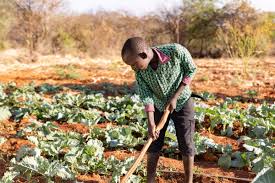
Efforts to strengthen global food security are receiving a significant boost as the Global Agriculture and Food Security Program (GAFSP) advances major grant programs designed to support smallholder farmers across developing countries. The initiative aims to improve agricultural productivity, strengthen climate resilience, and enhance food security for millions of rural households that depend on farming for their livelihoods.
Smallholder farmers produce a substantial share of the world’s food supply, particularly in low- and middle-income countries. However, many of these farmers continue to face challenges such as limited access to financing, modern technologies, quality seeds, irrigation systems, agricultural training, and reliable markets. These constraints often limit productivity and increase vulnerability to economic and climate-related shocks.
Through its expanded funding programs, GAFSP seeks to address these challenges by providing grants that support sustainable agricultural development and rural economic growth. The funding is expected to help governments, agricultural institutions, and local organizations implement projects that directly benefit farming communities.
Program officials emphasize that increasing agricultural resilience has become a priority as farmers face growing pressures from climate change, extreme weather events, land degradation, and fluctuating market conditions. Investments supported by the program are intended to help farmers adapt to these challenges while maintaining stable food production.
The new grants will focus on a range of initiatives, including improved access to high-quality seeds, fertilizers, irrigation infrastructure, agricultural extension services, and climate-smart farming technologies. Farmers will also receive support for adopting more efficient production methods that can increase yields while conserving natural resources.
Another key objective of the program is to improve rural incomes. By strengthening value chains and enhancing market access, smallholder farmers can obtain better returns for their produce and reduce post-harvest losses. Increased profitability can encourage further investment in farm operations and contribute to broader rural development.
Women and young farmers are expected to be among the primary beneficiaries of several funding initiatives. Development experts note that empowering women in agriculture can significantly improve household nutrition, food security, and economic outcomes. Similarly, encouraging youth participation in agriculture is considered essential for ensuring the long-term sustainability of food production systems.
The program also aims to strengthen local food systems by supporting infrastructure development and improving access to agricultural services. Investments in storage facilities, transportation networks, and market infrastructure can help reduce food waste and improve the efficiency of agricultural supply chains.
Food security specialists argue that supporting smallholder farmers is one of the most effective ways to combat hunger and poverty. Since a large proportion of the world’s poor live in rural areas and depend on agriculture, targeted investments can have far-reaching social and economic benefits.
As global demand for food continues to rise and climate challenges intensify, international organizations are increasingly emphasizing the importance of resilient and sustainable agricultural systems. The expanded funding from GAFSP reflects a broader commitment to helping developing countries strengthen food production, improve rural livelihoods, and build resilience against future shocks.
With new grant programs moving forward, millions of smallholder farmers could gain access to the resources, knowledge, and technologies needed to increase productivity and secure a more stable future. Experts believe these investments will play an important role in advancing global food security and supporting sustainable agricultural development in the years ahead.


 By
By











