

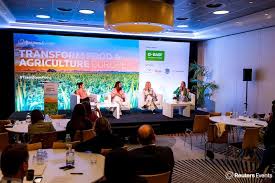
Sustainable agriculture emerged as a major focus at the Sustainable Foods Summit Europe 2026, where industry leaders, agricultural experts, policymakers, and food companies gathered to discuss the future of global food systems. The event highlighted regenerative agriculture, sustainable protein production, soil health, and climate-smart farming as essential strategies for building a more resilient and environmentally responsible agricultural sector.
As food systems face increasing pressure from climate change, resource constraints, and growing global demand, participants emphasized the need for innovative approaches that can enhance productivity while protecting natural ecosystems. The discussions reflected a growing consensus that sustainability must become a core component of agricultural development and food production.
One of the central themes of the summit was regenerative agriculture, a farming approach designed to restore soil health, improve biodiversity, and strengthen ecosystem functions. Advocates of regenerative farming promote practices such as cover cropping, reduced tillage, crop rotation, and integrated livestock management. Experts at the summit noted that these methods can help improve soil fertility, increase water retention, and reduce dependence on synthetic inputs.
Soil health was repeatedly highlighted as a foundation for long-term agricultural sustainability. Researchers and industry representatives stressed that healthy soils are critical for maintaining crop productivity, supporting biodiversity, and improving resilience to extreme weather events. With soil degradation affecting agricultural land in many parts of the world, investments in soil restoration and conservation are becoming increasingly important.
Climate-smart agriculture was another major area of discussion. Participants explored how farmers can adapt to changing weather patterns while reducing greenhouse gas emissions from agricultural activities. Precision farming technologies, improved crop varieties, efficient irrigation systems, and data-driven decision-making were identified as key tools for helping producers manage climate-related risks.
The summit also focused on the future of sustainable protein production. As global demand for protein continues to rise, food companies and agricultural stakeholders are exploring ways to produce protein more efficiently and with a lower environmental footprint. Discussions covered a range of solutions, including plant-based proteins, alternative feed sources, improved livestock management practices, and innovations in food technology.
Industry leaders emphasized that consumer demand is increasingly shaping sustainability efforts. Growing awareness of environmental issues has encouraged many consumers to seek food products that are produced using responsible farming methods. As a result, food manufacturers and retailers are placing greater emphasis on transparency, traceability, and sustainability throughout their supply chains.
Technology and innovation featured prominently throughout the event. Digital agriculture tools, artificial intelligence, remote sensing technologies, and farm management software are helping producers optimize resource use and improve operational efficiency. Experts believe these technologies will play an increasingly important role in achieving sustainability goals while maintaining agricultural productivity.
Participants also stressed the importance of collaboration across the food value chain. Governments, research institutions, farmers, food companies, and financial organizations were encouraged to work together to accelerate the adoption of sustainable farming practices. Supportive policies, investment in agricultural innovation, and access to training programs were identified as critical factors for successful implementation.
The summit highlighted the growing recognition that agriculture must balance productivity with environmental stewardship. While challenges such as climate change, biodiversity loss, and resource scarcity continue to affect food production, industry leaders expressed optimism that innovation and collaboration can help create more sustainable food systems.
As Europe continues to position itself at the forefront of agricultural sustainability, the discussions at the Sustainable Foods Summit Europe 2026 underscored a broader global shift toward farming practices that prioritize soil health, climate resilience, and long-term food security. The event reinforced the view that sustainable agriculture will remain a key pillar of future food and farming strategies worldwide.


 By
By











