

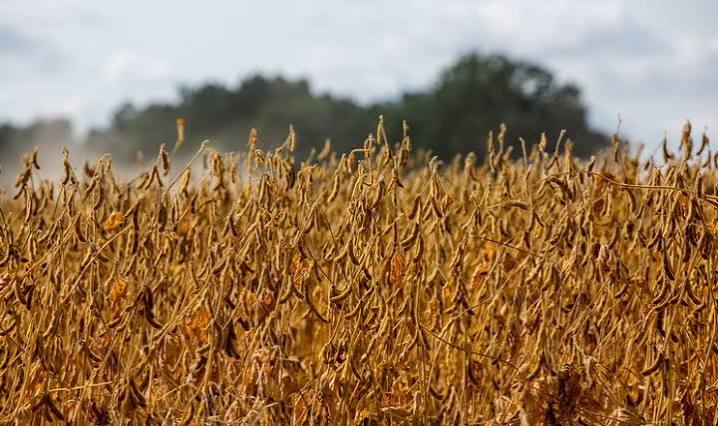
Brazil is expected to further strengthen its position as the world’s largest soybean producer and exporter as market analysts forecast a modest increase in soybean planting area for the 2026/27 season. Despite fluctuations in global commodity prices and ongoing economic uncertainty, Brazilian farmers are expected to expand cultivation, supported by strong international demand, improved production efficiency, and favorable long-term export prospects.
Soybeans remain Brazil’s most valuable agricultural export, playing a crucial role in the country’s economy. The crop generates billions of dollars in export earnings each year and supports millions of jobs across farming, transportation, processing, and export industries. Brazil has steadily increased soybean production over the past decade through improvements in productivity, technology adoption, and the expansion of cultivated land.
According to market analysts, growers are expected to increase soybean acreage modestly during the upcoming planting season, although lower international prices may encourage some farmers to be cautious with their investment decisions. Many producers are carefully monitoring input costs, currency movements, and weather forecasts before finalizing their planting strategies.
Global demand continues to be a major factor supporting Brazil’s soybean sector. Countries such as China, the European Union, and several Southeast Asian nations remain among the largest buyers of Brazilian soybeans for use in animal feed, edible oil production, and food processing industries. Strong export demand is expected to encourage farmers to maintain or slightly increase soybean cultivation despite market volatility.
Brazil’s competitive advantage is also supported by continuous investments in agricultural technology. Farmers are increasingly adopting high-yield seed varieties, precision farming techniques, satellite-based field monitoring, drones, and advanced machinery to improve productivity while reducing production costs. These technologies enable producers to optimize fertilizer application, irrigation, and pest management, resulting in higher yields and greater resource efficiency.
Infrastructure improvements have further strengthened Brazil’s position in global agricultural trade. Investments in highways, railways, inland waterways, and port facilities have improved the transportation of soybeans from major producing regions to export terminals. Better logistics have reduced shipping times and increased the competitiveness of Brazilian soybeans in international markets.
Weather conditions will remain a key determinant of production during the 2026/27 season. Adequate rainfall during planting and crop development will be essential for achieving high yields, while extreme weather events linked to climate variability could still pose risks in some regions. Agricultural experts note that Brazilian farmers have become increasingly resilient through improved farm management, conservation practices, and the adoption of climate-smart technologies.
Market analysts also point to currency exchange rates as an important influence on export competitiveness. A favorable exchange rate can improve returns for exporters, helping offset periods of lower international soybean prices. At the same time, fluctuations in fertilizer prices and other agricultural inputs remain important considerations for farm profitability.
Environmental sustainability continues to receive growing attention within Brazil’s soybean industry. Producers, exporters, and policymakers are expanding efforts to promote sustainable farming practices, responsible land use, and compliance with environmental regulations while meeting increasing global demand for sustainably produced agricultural commodities.
Agricultural economists believe Brazil is well-positioned to maintain its global leadership in soybean production over the coming years. Continued investment in innovation, infrastructure, and sustainable farming practices is expected to support long-term growth while enhancing the country’s competitiveness in international markets.
As preparations for the 2026/27 planting season begin, the outlook remains broadly positive. Although fluctuating commodity prices may influence short-term decisions, Brazil’s expanding production capacity, strong export demand, and advanced agricultural systems are expected to keep the country at the forefront of the global soybean industry, reinforcing its vital role in ensuring worldwide oilseed supplies.


 By
By











