

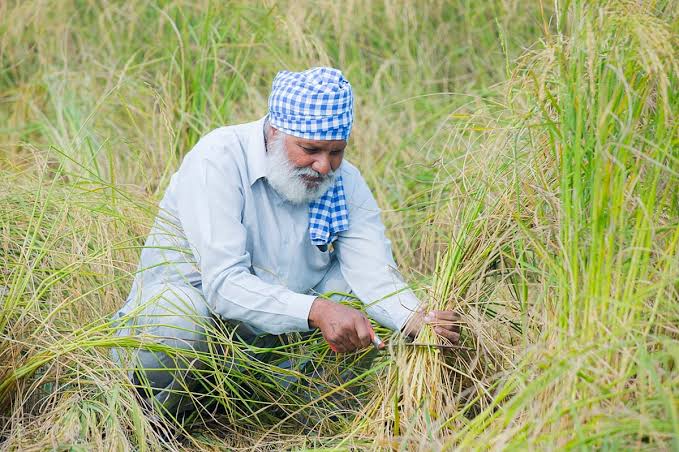
The World Bank has reaffirmed that global food security remains one of the world’s most pressing development challenges, with millions of people continuing to face hunger, malnutrition, and limited access to affordable, nutritious food. In response, the institution is expanding its investments in agricultural productivity, fertilizer accessibility, irrigation infrastructure, and climate-resilient farming systems to help countries build stronger and more sustainable food systems.
The renewed commitment comes at a time when the global agriculture sector is confronting multiple challenges, including climate change, geopolitical conflicts, rising production costs, supply chain disruptions, and extreme weather events. Together, these factors have placed significant pressure on food production and availability, particularly in low- and middle-income countries.
Food Insecurity Continues to Affect Millions
Despite progress in agricultural development over recent decades, food insecurity remains widespread across many regions of the world. Millions of people continue to struggle with inadequate access to sufficient, safe, and nutritious food due to poverty, conflict, economic instability, and climate-related disasters.
Developing countries, especially those heavily dependent on agriculture, are among the most vulnerable. Smallholder farmers often face limited access to quality seeds, fertilizers, irrigation facilities, agricultural finance, and modern farming technologies, making it difficult to maintain stable production and improve incomes.
The World Bank emphasized that strengthening agriculture is essential not only for improving food availability but also for reducing poverty, creating employment, and supporting long-term economic growth.
Increasing Agricultural Productivity
One of the central pillars of the World Bank’s strategy is boosting agricultural productivity through improved farming practices, technological innovation, and greater access to modern agricultural inputs.
The organization is supporting projects that promote:
- Improved seed varieties with higher yields and greater climate resilience.
- Modern farm mechanization and precision agriculture technologies.
- Digital advisory services for farmers.
- Better soil health and nutrient management.
- Research and innovation to improve crop and livestock productivity.
By increasing productivity on existing farmland, countries can produce more food while reducing pressure on natural ecosystems.
Improving Fertilizer Availability
The World Bank is also placing strong emphasis on improving access to fertilizers, recognizing their critical role in maintaining crop yields and ensuring global food production.
Recent years have seen significant disruptions in global fertilizer markets due to geopolitical conflicts, supply chain bottlenecks, and rising energy prices. These challenges have increased fertilizer costs for farmers, particularly in developing nations, leading to reduced application rates and lower agricultural productivity.
To address this issue, the World Bank is supporting initiatives that improve fertilizer supply chains, strengthen domestic production capacity, and promote efficient nutrient management practices. These efforts aim to ensure that farmers have timely access to affordable fertilizers while encouraging balanced and sustainable use.
Expanding Irrigation Infrastructure
Reliable water management remains another major priority in the organization’s agricultural investment strategy. With climate change increasing the frequency of droughts and irregular rainfall, expanding irrigation infrastructure has become essential for improving agricultural resilience.
The World Bank is financing projects that include:
- Modern irrigation systems.
- Water-efficient technologies such as drip and sprinkler irrigation.
- Rainwater harvesting and storage facilities.
- Watershed management programs.
- Rehabilitation of existing irrigation networks.
Improved irrigation not only enhances crop productivity but also enables farmers to diversify production and reduce vulnerability to changing weather patterns.
Promoting Climate-Resilient Agriculture
Climate change continues to pose one of the greatest threats to global food systems. Rising temperatures, prolonged droughts, floods, and extreme weather events are affecting agricultural production across every continent.
To help farmers adapt, the World Bank is investing in climate-smart agriculture that combines productivity, resilience, and environmental sustainability. Key initiatives include promoting drought-tolerant crop varieties, conservation agriculture, efficient water use, agroforestry, precision farming, and improved livestock management.
These measures are designed to help farming communities withstand climate shocks while protecting natural resources for future generations.
Strengthening Global Food Systems
Beyond increasing agricultural production, the World Bank is supporting broader improvements across food value chains. Investments are being directed toward better rural infrastructure, storage facilities, transportation networks, market access, and digital technologies that connect farmers with buyers.
Reducing post-harvest losses is another important focus area. In many developing countries, significant quantities of food are lost before reaching consumers due to inadequate storage, poor transportation, and inefficient supply chains. Improving these systems can substantially increase food availability without expanding cultivated land.
The organization is also encouraging stronger partnerships between governments, research institutions, private companies, and international development agencies to accelerate agricultural innovation and investment.
Supporting Rural Livelihoods
Agriculture remains the primary source of income for billions of people worldwide. Strengthening agricultural productivity not only improves food security but also creates employment opportunities, increases household incomes, and stimulates rural economic development.
Special emphasis is being placed on supporting women farmers and young entrepreneurs through improved access to finance, training, modern technologies, and market opportunities. Inclusive agricultural growth is viewed as a key driver of poverty reduction and social stability.
Looking Ahead
The World Bank’s renewed commitment underscores the critical importance of investing in resilient and sustainable agriculture to address the growing challenge of global food insecurity. By expanding support for agricultural productivity, fertilizer availability, irrigation infrastructure, and climate-smart farming, the organization aims to help countries build stronger food systems capable of meeting future demand.
As global populations continue to grow and climate pressures intensify, coordinated investments in innovation, infrastructure, and sustainable farming practices will be essential to ensuring that food remains accessible, affordable, and nutritious for all. The World Bank’s ongoing initiatives highlight the vital role of international cooperation in creating resilient agricultural systems that can support both economic development and long-term global food security.


 By
By











