

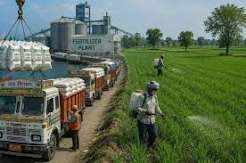
Global agribusiness companies are once again confronting rising fertilizer input costs as geopolitical tensions, energy market volatility, and supply-chain uncertainties continue to disrupt the global fertilizer trade. Industry analysts say companies involved in agricultural production, input distribution, and food processing are adjusting their procurement strategies to ensure uninterrupted fertilizer supplies while managing escalating costs.
The renewed increase in fertilizer prices comes at a time when farmers across many countries are preparing for key planting seasons. Higher costs for essential crop nutrients are expected to raise production expenses, affecting farm profitability and potentially influencing global food prices if the trend continues.
Fertilizer Markets Under Pressure
Fertilizers remain one of the most important inputs for modern agriculture, supporting higher crop yields and maintaining soil fertility. However, the global fertilizer market has become increasingly sensitive to geopolitical developments, fluctuations in energy prices, and disruptions to international trade routes.
Nitrogen-based fertilizers such as urea, ammonia, and ammonium nitrate depend heavily on natural gas during manufacturing. As energy prices remain volatile and supply chains face continued uncertainty, fertilizer producers are experiencing higher production and transportation costs.
Analysts note that concerns over export restrictions, shipping delays, and regional conflicts have further tightened market sentiment, keeping fertilizer prices unstable across international markets.
Agribusiness Companies Revise Procurement Plans
To reduce the impact of rising prices and supply risks, many global agribusiness companies are adopting new procurement strategies. Businesses are securing fertilizer supplies through long-term contracts, diversifying their sourcing partners, increasing inventory levels, and expanding relationships with suppliers in multiple regions.
Some companies are also investing in digital supply-chain management systems to improve demand forecasting and monitor inventory more efficiently. Others are exploring alternative nutrient products and sustainable fertilizer solutions to reduce dependence on conventional imports.
These measures are intended to ensure timely fertilizer availability while minimizing the financial impact of market volatility.
Farmers Feel the Financial Burden
Although agribusinesses are taking steps to manage procurement risks, farmers remain the most affected by rising fertilizer prices. Fertilizer often represents one of the largest operating expenses in crop production, especially for cereals, oilseeds, sugarcane, and horticultural crops.
Higher input costs reduce profit margins and may force some farmers to cut fertilizer application rates or delay purchases. Reduced nutrient use can lower crop yields, affect soil fertility, and ultimately reduce overall farm productivity if crops do not receive adequate nutrition.
Smallholder farmers are particularly vulnerable because they generally have limited access to credit, working capital, and bulk purchasing opportunities.
Supply-Chain Challenges Continue
Global fertilizer supply chains continue to face multiple challenges, including shipping delays, higher freight charges, increased insurance costs, and congestion at major ports. These logistical issues can slow fertilizer deliveries during critical planting periods, affecting farm operations and crop schedules.
Import-dependent countries are especially exposed to these disruptions, as delays in fertilizer shipments may create temporary shortages and contribute to additional price increases in domestic markets.
Industry experts believe that strengthening supply-chain resilience will remain a key priority for fertilizer manufacturers and distributors over the coming years.
Food Production and Inflation Concerns
Rising fertilizer costs can have consequences beyond the agricultural sector. Higher production expenses often translate into increased costs for grains, fruits, vegetables, oilseeds, and other agricultural commodities. If these costs persist, food processors and retailers may eventually pass part of the increase on to consumers.
Economists warn that sustained fertilizer inflation could contribute to higher food prices globally, particularly in countries that rely heavily on imported agricultural inputs.
Maintaining affordable fertilizer supplies is therefore considered essential for supporting food production, stabilizing agricultural markets, and ensuring food security.
Focus on Efficient Nutrient Management
Agricultural experts recommend that farmers adopt efficient nutrient management practices to maximize fertilizer use while reducing unnecessary expenses. Soil testing, precision fertilizer application, integrated nutrient management, and balanced use of organic and inorganic fertilizers can improve nutrient efficiency and lower production costs.
Technologies such as GPS-guided equipment, satellite monitoring, and digital farm management systems are also helping farmers optimize fertilizer application and reduce wastage.
Researchers continue to develop enhanced-efficiency fertilizers and climate-smart nutrient management solutions that can improve productivity while minimizing environmental impacts.
Outlook Remains Uncertain
Analysts believe fertilizer markets are likely to remain volatile in the coming months as geopolitical developments, energy prices, and international trade conditions continue to influence supply and demand. Agribusiness companies are expected to maintain cautious procurement strategies while governments monitor fertilizer availability and consider policy measures to support farmers.
The current situation highlights the importance of resilient agricultural supply chains, diversified sourcing, and sustainable nutrient management. Ensuring stable fertilizer supplies at affordable prices will be critical for maintaining crop production, protecting farm incomes, and supporting global food security in an increasingly uncertain economic and geopolitical environment.


 By
By











