

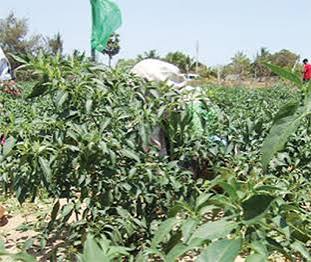
Nigeria’s agricultural export sector has witnessed a significant setback, with exports reportedly declining by 31%, largely due to persistent port congestion, shipment delays, and increasing rejection of consignments over pesticide residue concerns. The downturn has raised fresh concerns among exporters, farmers, and policymakers about the country’s competitiveness in global agricultural markets.
Industry stakeholders say prolonged delays at major seaports have disrupted the timely movement of agricultural commodities, leading to higher transportation costs, spoilage of perishable products, and missed delivery schedules. Exporters warn that inefficient logistics are undermining Nigeria’s efforts to expand its non-oil export sector and diversify the economy.
In addition to port-related challenges, several export consignments have reportedly been rejected in international markets because they failed to meet pesticide residue and food safety standards. Buyers in Europe, Asia, and other regions have tightened quality regulations, requiring exported agricultural products to comply with strict limits on chemical residues, traceability, and packaging standards.
Nigeria exports a wide range of agricultural products, including cocoa, sesame seeds, cashew nuts, ginger, hibiscus flowers, spices, and other horticultural commodities. These products contribute significantly to foreign exchange earnings and provide livelihoods for millions of farmers and businesses across the country. However, repeated logistical disruptions and quality-related issues are threatening the sector’s growth potential.
Exporters have called on the government to implement urgent reforms aimed at modernizing port infrastructure, streamlining customs procedures, and reducing cargo clearance times. They argue that efficient logistics are essential for maintaining product quality, reducing export costs, and improving Nigeria’s reputation in international markets.
Agricultural experts also stress the importance of strengthening quality assurance systems across the supply chain. They recommend increased farmer training on the responsible use of pesticides, wider adoption of Good Agricultural Practices (GAP), regular residue testing, and improved certification mechanisms to ensure compliance with global food safety standards.
The sector is also seeking greater investment in post-harvest infrastructure, including modern storage facilities, cold chain systems, processing units, and quality testing laboratories. Such investments would help minimize post-harvest losses, improve product quality, and increase the competitiveness of Nigerian agricultural exports.
Analysts believe that addressing both logistical inefficiencies and quality compliance challenges could significantly boost Nigeria’s agricultural exports. Improved infrastructure, digital trade facilitation, stronger regulatory oversight, and closer collaboration between government agencies and private exporters would help restore buyer confidence and open access to premium international markets.
The decline in agricultural exports also highlights the need for a more resilient export ecosystem capable of supporting Nigeria’s broader economic diversification agenda. As global demand for high-quality agricultural products continues to grow, maintaining international standards and ensuring efficient supply chains will be critical for sustaining export growth.
With exporters urging swift policy action, stakeholders remain optimistic that targeted reforms in port operations, quality control, and agricultural extension services can reverse the downward trend. Strengthening logistics, improving food safety compliance, and enhancing value-chain efficiency will be key to helping Nigeria regain momentum in the global agricultural trade and create better income opportunities for farmers and agribusinesses.


 By
By











