

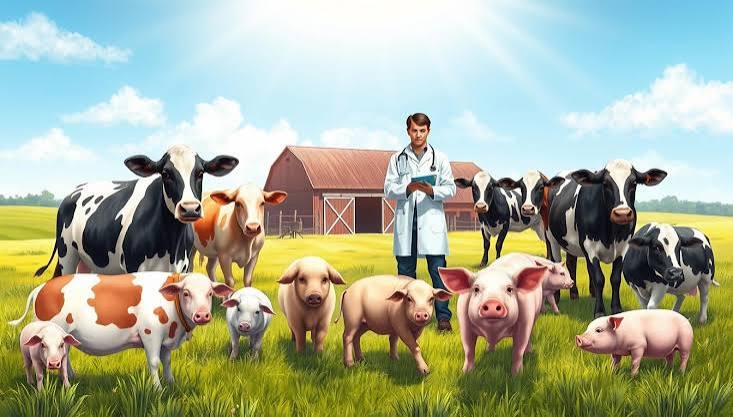
Improving livestock safety standards has emerged as a key priority for the global agricultural community, with experts emphasizing the need for better animal handling systems, enhanced worker training, and modern farm infrastructure to promote animal welfare and ensure safer working conditions across the livestock sector.
As demand for livestock products continues to grow worldwide, industry specialists believe that adopting higher safety and welfare standards is essential for improving farm productivity, reducing animal stress, and protecting the health of both animals and farm workers. Modern livestock management practices are increasingly focusing on creating safe, efficient, and sustainable farming environments.
Agricultural experts stress that well-designed livestock handling facilities play a crucial role in minimizing injuries to animals and workers. Properly planned cattle yards, loading ramps, raceways, and holding pens allow animals to move more naturally, reducing stress during routine activities such as vaccination, weighing, transportation, and veterinary treatment. Improved infrastructure also lowers the risk of accidents and enhances operational efficiency.
Worker training has been identified as another critical component of livestock safety. Farm employees who receive proper instruction in animal behaviour, safe handling techniques, emergency response procedures, and equipment operation are better equipped to manage livestock while minimizing risks. Continuous skill development helps improve workplace safety, strengthens farm management, and contributes to higher standards of animal care.
Animal welfare has become an increasingly important factor in global livestock production, with consumers, policymakers, and international markets placing greater emphasis on ethical farming practices. Experts note that reducing stress, providing adequate nutrition, ensuring clean housing, and maintaining proper healthcare not only improve animal well-being but also contribute to better growth rates, reproductive performance, and product quality.
Modern technologies are also transforming livestock safety management. Automated feeding systems, digital livestock monitoring, wearable animal health sensors, surveillance cameras, and precision livestock farming tools enable farmers to monitor animal health, detect diseases early, and respond quickly to potential problems. These innovations help improve productivity while supporting higher welfare standards.
Industry stakeholders emphasize that investing in farm infrastructure, including proper ventilation, non-slip flooring, clean water systems, biosecurity measures, and comfortable housing, creates healthier environments for livestock and reduces disease risks. Better infrastructure also enhances resilience against climate-related challenges such as heat stress, extreme weather, and changing environmental conditions.
Veterinary professionals highlight the importance of preventive healthcare programmes, regular health monitoring, vaccination schedules, and effective disease management in maintaining healthy livestock populations. Strong biosecurity practices are also essential to prevent the spread of infectious diseases and safeguard both animal and public health.
Experts believe that collaboration among governments, agricultural institutions, livestock producers, veterinary organizations, and private industry is essential for promoting best management practices across the livestock value chain. Training programmes, technical support, research, and investment in modern farming technologies can help farmers adopt internationally recognized safety and welfare standards.
The growing global focus on sustainable agriculture has further reinforced the importance of responsible livestock management. Farms that prioritize animal welfare, worker safety, and environmental sustainability are increasingly viewed as more resilient, productive, and competitive in domestic and international markets.
As the livestock industry continues to evolve, experts agree that strengthening livestock safety standards will deliver long-term benefits for farmers, animals, consumers, and the broader agricultural economy. By investing in improved infrastructure, continuous training, advanced technologies, and science-based animal welfare practices, the sector can achieve higher productivity while ensuring safe, sustainable, and responsible livestock production for future generations.


 By
By











