

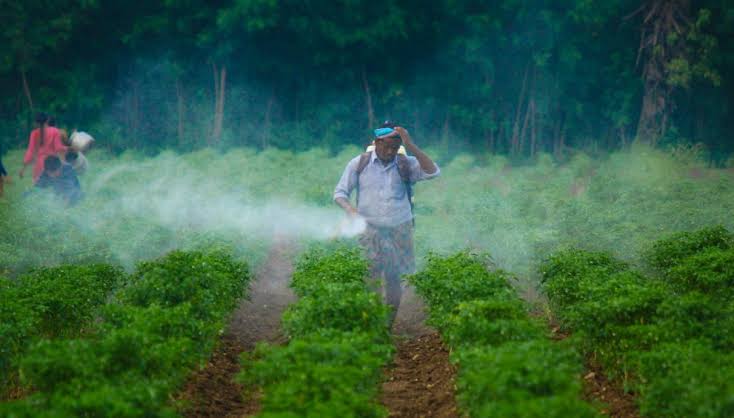
Environmental organizations, agricultural experts, and farmer groups in Bangladesh have renewed their demand for the gradual phase-out of highly hazardous pesticides (HHPs), urging the government to promote safer alternatives that protect biodiversity, public health, and the long-term sustainability of agriculture.
Stakeholders argue that while pesticides play an important role in protecting crops from pests and diseases, the continued use of highly hazardous chemicals poses serious risks to farmers, consumers, beneficial insects, soil health, and aquatic ecosystems. They are advocating for a phased transition toward integrated pest management (IPM), biological control methods, and environmentally friendly crop protection solutions.
Agricultural experts emphasize that excessive and indiscriminate use of hazardous pesticides can contaminate soil and water resources, reduce biodiversity, and negatively impact pollinators such as bees and butterflies, which are essential for crop production. The long-term accumulation of pesticide residues may also affect ecosystem health and agricultural productivity.
Public health advocates have also highlighted concerns over farmers’ exposure to toxic chemicals during pesticide application. Inadequate protective equipment, limited awareness of safe handling practices, and improper storage or disposal of pesticides can increase health risks for farming communities. Strengthening farmer education and promoting responsible pesticide use are therefore considered critical components of sustainable agriculture.
Environmental groups recommend expanding the adoption of Integrated Pest Management (IPM), which combines biological control agents, resistant crop varieties, crop rotation, field monitoring, and judicious pesticide use to minimize environmental impacts while maintaining effective pest control. Such approaches have been successfully implemented in several countries to reduce dependence on hazardous agrochemicals.
Agricultural stakeholders are also calling for stronger regulatory oversight, improved pesticide registration systems, regular monitoring of pesticide residues, and wider availability of safer crop protection products. Investments in research and extension services can help farmers adopt modern, science-based pest management practices without compromising crop productivity.
Bangladesh’s agriculture sector plays a vital role in ensuring national food security and supporting millions of rural livelihoods. As climate change and evolving pest pressures create new production challenges, experts believe that balancing crop protection with environmental conservation will become increasingly important.
The proposed gradual phase-out of hazardous pesticides is expected to encourage innovation in sustainable farming technologies, including biopesticides, botanical pesticides, and precision agriculture tools that enable more targeted and efficient pest management. These alternatives can help reduce chemical use while maintaining crop yields and protecting natural ecosystems.
Industry experts note that a carefully planned transition will require cooperation among government agencies, agricultural research institutions, pesticide manufacturers, farmer organizations, and development partners. Capacity building, financial support, and awareness campaigns will be essential to help farmers adopt safer pest management practices without affecting productivity or incomes.
As Bangladesh moves toward more sustainable agricultural systems, stakeholders believe that reducing reliance on highly hazardous pesticides will contribute to healthier ecosystems, improved food safety, stronger biodiversity conservation, and greater resilience in the country’s farming sector. A balanced, science-based approach to pesticide management is expected to play a key role in securing both agricultural productivity and environmental sustainability for future generations.


 By
By











