

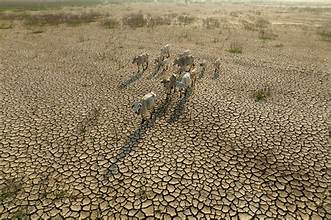
Global grain markets are expected to remain relatively stable despite forecasts of a strong El Niño weather pattern later this year, as worldwide reserves of major food crops remain close to record levels. Agricultural experts believe these abundant stocks will help reduce the risk of sharp food price increases and improve food security if weather disruptions affect crop production in key farming regions.
El Niño, a naturally occurring climate phenomenon caused by the warming of surface waters in the central and eastern Pacific Ocean, often brings extreme weather conditions across different parts of the world. It can trigger droughts in some regions while causing excessive rainfall and flooding in others, significantly influencing agricultural productivity.
Historically, strong El Niño events have affected the production of staple crops such as wheat, rice, maize (corn), and soybeans by reducing yields in major exporting nations. However, analysts note that the current situation is different due to healthy global inventories built over recent harvest seasons.
Large carryover stocks of cereals are expected to provide an important buffer against temporary production losses. Countries with adequate reserves are likely to be better positioned to manage supply fluctuations and maintain domestic food availability, reducing the chances of panic buying or export restrictions.
Market observers also point out that improvements in agricultural technology, irrigation systems, climate monitoring, and crop management practices have strengthened the resilience of global farming systems. Farmers are increasingly using weather forecasting tools and climate-smart farming techniques to adapt planting schedules and minimize weather-related risks.
Although the outlook remains encouraging, experts caution that regional impacts of El Niño could still be significant. Areas dependent on seasonal rainfall may experience lower crop yields if prolonged dry conditions develop, while excessive rainfall in other regions could damage standing crops and delay harvesting operations. Governments are therefore being advised to closely monitor weather developments and prepare contingency plans for vulnerable farming communities.
Global grain trade is also expected to play a key role in balancing supplies. Countries with surplus production may continue to export grains to regions facing temporary shortages, helping stabilize international markets. Well-functioning supply chains and open trade policies will remain important for ensuring that food reaches deficit regions without unnecessary disruptions.
In addition to grain reserves, many countries have strengthened strategic food storage systems following recent global supply chain challenges. These emergency reserves are intended to protect consumers from sudden market volatility and ensure the continuous availability of essential food commodities.
Agricultural economists believe that while weather risks cannot be eliminated, strong global grain inventories significantly reduce the likelihood of a widespread food crisis. Stable stocks also help moderate price fluctuations, benefiting both consumers and food-processing industries.
Looking ahead, the global agricultural sector will continue to closely monitor the development of El Niño and its potential impact on upcoming planting and harvesting seasons. Continued investment in climate-resilient agriculture, efficient water management, and improved crop varieties will be essential to maintaining food security in the face of changing weather patterns.
Overall, the combination of robust grain reserves, improved farming practices, and international cooperation provides a positive outlook for global food markets, even as climate uncertainties remain an important challenge for agriculture worldwide.


 By
By











