

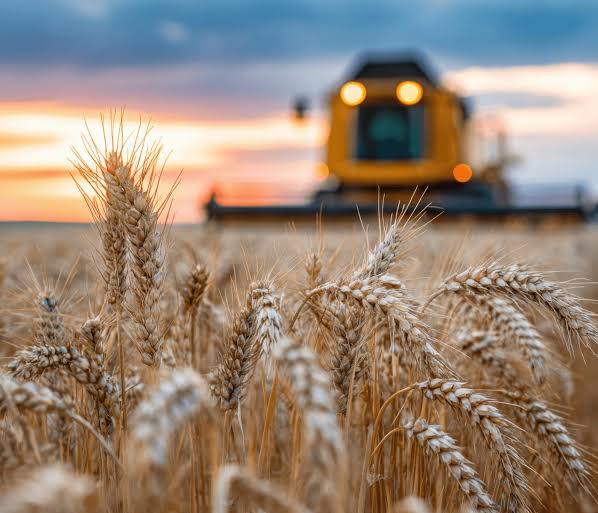
Despite expectations of another strong wheat and corn harvest this season, global grain markets are facing increasing pressure as demand is projected to outpace production, raising concerns over tighter supplies and greater price volatility. Agricultural analysts warn that shrinking grain stockpiles could leave the global food system more vulnerable to weather disruptions and unexpected supply shocks in the coming months.
According to the latest global grain outlook, production of major cereals, particularly wheat and corn, is expected to remain at relatively high levels thanks to favorable growing conditions in several key producing regions. However, rising global consumption driven by population growth, expanding livestock feed demand, and industrial uses such as biofuel production is forecast to exceed total output, gradually reducing global grain reserves.
Market experts note that while harvest forecasts appear encouraging, the decline in carryover stocks is becoming a growing concern. Grain inventories serve as a crucial buffer during periods of production shortfalls or supply chain disruptions. As these reserves shrink, international grain markets become increasingly sensitive to adverse weather events, geopolitical tensions, and trade restrictions.
Analysts caution that any severe drought, floods, heatwaves, or other extreme weather conditions in major grain-producing countries such as the United States, Russia, Canada, Brazil, Ukraine, or Australia could quickly tighten global supplies further. Such developments could trigger sharp price increases, affecting both importing nations and food manufacturers worldwide.
The outlook also highlights the continued impact of climate change on agricultural production. Increasingly unpredictable weather patterns have made crop yields more uncertain, forcing governments and traders to closely monitor seasonal forecasts. Even with current production estimates remaining positive, weather-related disruptions during the harvest or export season could significantly alter global supply expectations.
Higher grain demand is also being supported by strong feed consumption from the livestock and poultry sectors. As global meat and dairy production continues to expand, demand for corn and other feed grains has increased steadily. In addition, growing demand for renewable energy has boosted the use of corn and other cereals in ethanol and biofuel production, adding further pressure on global grain supplies.
Food-importing countries are expected to remain particularly vulnerable if international grain prices become more volatile. Higher prices could increase food inflation, raise import bills, and place additional pressure on developing economies that rely heavily on imported cereals to meet domestic food requirements.
Commodity traders are closely watching crop conditions across the Northern Hemisphere, where weather during the remaining growing season will play a crucial role in determining final harvest volumes. Any downward revisions to production forecasts could quickly influence global grain prices and market sentiment.
Experts emphasize that maintaining adequate grain reserves, investing in climate-resilient farming practices, improving irrigation infrastructure, and promoting sustainable agricultural technologies will be essential to strengthening global food security. Governments are also being encouraged to avoid unnecessary export restrictions that could further disrupt international grain trade.
While current harvest forecasts provide some reassurance, the narrowing gap between production and consumption suggests that global grain markets may remain vulnerable over the coming year. With lower stock buffers and increasing climate-related risks, even a single poor harvest in a major producing region could have significant consequences for global food prices and supply stability.


 By
By











