

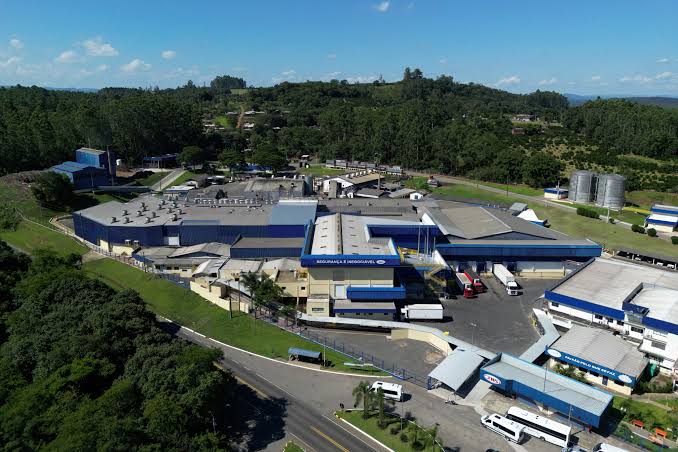
Global meat processing giant JBS is facing a legal challenge in the Netherlands over allegations that its planned multi-billion-dollar expansion fails to meet adequate environmental and climate commitments. Environmental organizations argue that the company’s growth strategy could contribute to increased deforestation, higher greenhouse gas emissions, and undermine global efforts to combat climate change.
The lawsuit has been filed by environmental groups that claim JBS has overstated its sustainability credentials while continuing to pursue expansion plans that may significantly increase its environmental footprint. The case is expected to draw international attention as governments, investors, and consumers increasingly demand greater corporate accountability on environmental, social, and governance (ESG) issues.
At the center of the dispute is JBS’s proposed expansion, which environmental advocates say could lead to greater demand for livestock production, particularly cattle. They argue that increased cattle farming in regions such as the Amazon and the Cerrado biome could accelerate deforestation, threaten biodiversity, and release large quantities of carbon dioxide into the atmosphere.
Environmental groups also contend that the company’s climate commitments lack sufficient transparency and measurable targets. According to the plaintiffs, JBS has promoted ambitious sustainability goals while failing to provide convincing evidence that its expansion plans are compatible with limiting greenhouse gas emissions and protecting forests. They are seeking greater legal scrutiny of the company’s environmental claims and stronger safeguards to ensure compliance with climate objectives.
JBS, one of the world’s largest meat producers, has consistently stated that it is committed to sustainable business practices. The company has announced initiatives aimed at reducing emissions, improving supply chain monitoring, eliminating illegal deforestation from its sourcing network, and achieving net-zero greenhouse gas emissions by 2040. Company representatives maintain that these commitments demonstrate its long-term dedication to environmental responsibility while continuing to meet the growing global demand for food.
The legal challenge reflects increasing pressure on multinational food companies to verify their environmental claims through measurable action rather than public commitments alone. Investors and financial institutions are also placing greater emphasis on ESG performance, with sustainability increasingly influencing investment decisions and corporate valuations.
Climate experts note that livestock production accounts for a significant share of global greenhouse gas emissions, particularly methane released by cattle. In addition, land-use change associated with cattle ranching remains one of the leading causes of tropical deforestation, making the meat industry a central focus of international climate discussions.
The Netherlands has become an important venue for climate-related litigation in recent years, with courts increasingly hearing cases involving corporate environmental responsibilities. Legal experts believe the outcome of the JBS case could set an important precedent for how sustainability claims made by multinational companies are assessed under European law.
The dispute also highlights the broader challenge facing the global food industry: balancing rising demand for meat products with the urgent need to reduce environmental impacts. As the world’s population continues to grow, food companies are under increasing pressure to improve production efficiency while minimizing emissions, conserving natural resources, and protecting ecosystems.
If the court rules in favor of the environmental organizations, it could encourage greater regulatory oversight of corporate sustainability claims and require companies to provide stronger scientific evidence supporting their environmental commitments. The case is expected to be closely watched by businesses, policymakers, investors, and environmental advocates around the world as it may influence future climate litigation and corporate sustainability standards.


 By
By











