

The Food and Agriculture Organization (FAO) is strengthening international cooperation on smart farming technologies through a dedicated global conference aimed at accelerating the adoption of digital agriculture, precision farming, artificial intelligence (AI), and climate-resilient food production systems. The initiative seeks to help countries modernize agriculture, improve productivity, and enhance food security in the face of climate change and rising global food demand.
The conference brings together policymakers, agricultural scientists, technology experts, private sector representatives, and farmers to discuss innovative solutions that can transform food systems. Participants are exploring how digital technologies can improve farm management, increase resource efficiency, and support sustainable agricultural development across both developed and developing nations.
A key focus of the conference is digital agriculture, which uses advanced technologies such as satellite imagery, remote sensing, Internet of Things (IoT) devices, drones, and mobile applications to provide farmers with real-time information. These tools enable growers to monitor crop health, manage irrigation, track weather conditions, and make informed decisions that improve yields while reducing production costs.
The FAO is also promoting precision farming, an approach that allows farmers to apply water, fertilizers, and crop protection products more accurately based on the specific needs of individual fields. By optimizing input use, precision agriculture helps increase productivity, reduce waste, lower production expenses, and minimize environmental impacts.
Artificial intelligence is another major topic at the conference. AI-powered systems are increasingly being used to predict pest outbreaks, identify crop diseases, forecast weather patterns, analyze soil conditions, and support decision-making through data-driven recommendations. Experts believe AI has the potential to significantly improve farm efficiency while helping producers respond more effectively to changing climatic conditions.
Climate resilience remains a central priority of the discussions. With agriculture facing increasing threats from droughts, floods, heatwaves, and unpredictable weather, FAO is encouraging the adoption of technologies that strengthen the resilience of farming systems. Digital climate advisory services, early warning systems, and advanced forecasting tools can help farmers prepare for extreme weather events and reduce crop losses.
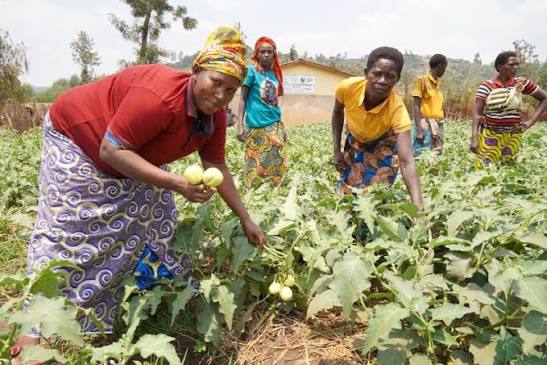
The organization emphasized that technological innovation must remain inclusive and accessible. Many smallholder farmers, particularly in developing countries, continue to face barriers such as limited internet connectivity, inadequate digital infrastructure, lack of technical training, and restricted access to affordable technology. FAO is urging governments and development partners to invest in rural digital infrastructure, capacity building, and extension services to ensure that all farmers can benefit from modern agricultural technologies.
The conference also highlights the importance of international collaboration in developing common standards for digital agriculture, promoting knowledge sharing, and encouraging partnerships between governments, research institutions, agribusinesses, and technology companies. Such cooperation is expected to accelerate innovation and support the wider adoption of sustainable farming practices worldwide.
Experts attending the event stressed that smart farming technologies will play a crucial role in meeting future food demand while conserving natural resources. By improving resource-use efficiency, reducing greenhouse gas emissions, and increasing agricultural productivity, digital solutions can contribute significantly to achieving global food security and climate goals.
FAO concluded that investing in smart agriculture is essential for building more resilient, productive, and sustainable food systems. As digital technologies continue to evolve, the organization believes global cooperation and innovation will be key to helping farmers adapt to climate change, improve livelihoods, and ensure a secure food future for generations to come.


 By
By











