

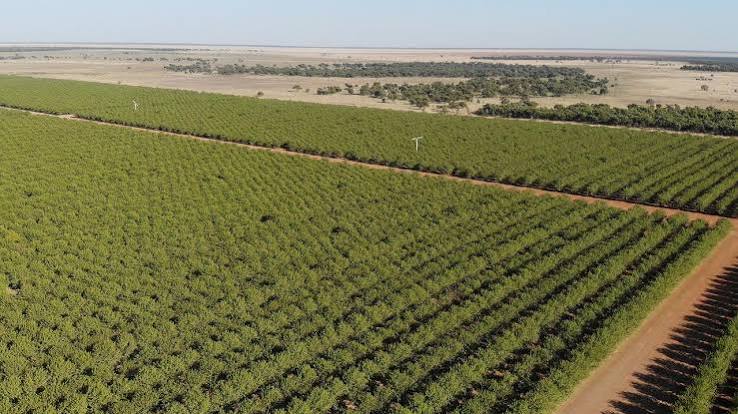
The new owner of Tasmania’s largest farm has unveiled an ambitious plan to transform the property into a diversified agricultural enterprise by expanding cropping, livestock production, and forestry operations. The project is being regarded as one of Australia’s largest agricultural investment initiatives of the year and is expected to strengthen food production, create employment opportunities, and promote sustainable land management.
The large-scale investment reflects growing confidence in Australia’s agricultural sector, which continues to attract domestic and international investors due to strong global demand for food, fibre, and timber products. The development aims to maximize the productivity of the extensive farmland while maintaining environmental sustainability and supporting long-term rural economic growth.
Under the proposed plan, significant areas of the property will be developed for crop cultivation, with a focus on producing grains, fodder, and other high-value agricultural commodities suited to Tasmania’s favorable climate. The expansion is expected to increase overall farm output and contribute to the state’s agricultural exports.
Livestock production will also form a major part of the development strategy. The owners plan to strengthen cattle and sheep operations through improved grazing management, modern breeding practices, and enhanced animal welfare standards. By integrating crop and livestock systems, the project aims to improve resource efficiency, reduce production risks, and create a more resilient farming business capable of adapting to changing market conditions.
Forestry is another important component of the long-term investment. Sustainable plantation development and responsible forest management are expected to diversify farm income while supporting carbon sequestration, biodiversity conservation, and the production of timber resources. Industry experts note that integrating forestry with traditional agriculture can improve environmental outcomes and provide additional revenue streams for large farming enterprises.
The investment comes at a time when Australia’s agricultural sector is increasingly focusing on diversification to reduce dependence on single commodities and improve resilience against climate variability. By combining cropping, livestock, and forestry within a single integrated operation, the project is expected to enhance productivity while making more efficient use of land and natural resources.
The new owners have indicated that sustainability will remain central to the farm’s future development. Planned investments include modern irrigation systems, precision agriculture technologies, improved soil management practices, and environmental conservation measures designed to protect natural ecosystems while increasing production efficiency. The adoption of digital farming tools is also expected to support better decision-making through real-time monitoring of crops, livestock, and land resources.
Agricultural economists believe the project could generate significant economic benefits for Tasmania by creating jobs in farming, forestry, transport, processing, and related industries. Increased agricultural production may also stimulate local businesses, strengthen regional supply chains, and support export growth in key agricultural commodities.
Industry representatives have welcomed the announcement, describing it as a positive sign of continued investor confidence in Australian agriculture. They note that large-scale investments in modern farming operations can help improve productivity, encourage innovation, and strengthen the country’s position as a leading exporter of agricultural products.
The development also aligns with broader trends in Australian agriculture, where producers are increasingly adopting diversified business models to improve financial stability and respond to changing consumer demand for sustainably produced food and fibre. Climate resilience, efficient resource use, and environmental stewardship are becoming key priorities for both investors and farm operators.
As planning and development move forward, the project is expected to become a landmark example of integrated agricultural management in Australia. With its combination of cropping, livestock, and forestry, the investment highlights the growing importance of diversified farming systems in enhancing food security, supporting rural economies, and promoting sustainable agricultural development for the future.


 By
By











