

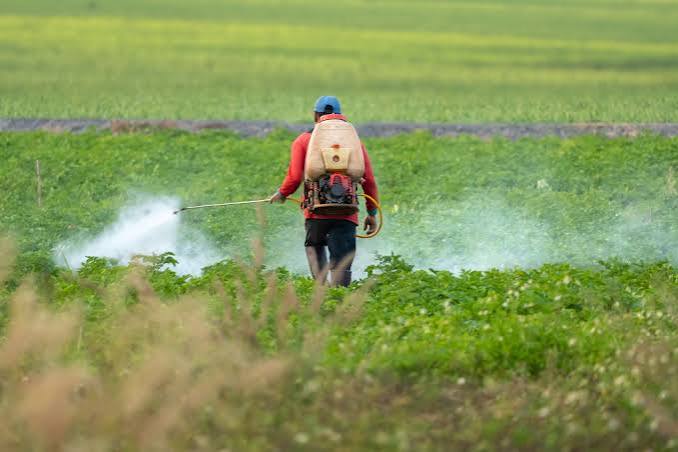
Europe’s agricultural policy debate has intensified following a leaked investigation alleging that the European Union’s largest farming lobby played a significant role in delaying and weakening proposed legislation aimed at reducing pesticide use across the bloc. The claims have reignited discussions over the balance between agricultural productivity, environmental protection, and the influence of lobbying on EU policymaking.
The investigation suggests that the influential farming organization actively lobbied European policymakers during negotiations over the proposed pesticide reduction framework, arguing that strict restrictions could negatively impact crop yields, food production, and farmers’ incomes. According to the leaked findings, the group’s efforts may have contributed to revisions that softened key provisions of the legislation and delayed its implementation.
The proposed EU pesticide reduction policy was originally introduced as part of the European Green Deal and the Farm to Fork Strategy, both of which seek to make agriculture more sustainable while reducing the environmental impact of food production. The legislation aimed to significantly reduce the use and risk of chemical pesticides across member states and encourage greater adoption of integrated pest management and alternative crop protection methods.
Environmental organizations have expressed concern over the allegations, arguing that excessive lobbying by industry groups can undermine scientific recommendations and weaken efforts to protect biodiversity, water quality, and public health. They contend that reducing dependence on chemical pesticides is essential to safeguarding pollinators, restoring ecosystems, and achieving the European Union’s long-term climate and environmental objectives.
Farming organizations, however, have defended their involvement in the policy process, stating that they represent the interests of millions of European farmers who face increasing production costs, climate-related challenges, and global market competition. They argue that overly restrictive pesticide regulations could reduce agricultural productivity, increase food prices, and place European farmers at a competitive disadvantage compared to producers in countries with less stringent standards.
The controversy comes at a time when European agriculture is already under significant pressure from rising input costs, unpredictable weather, and evolving sustainability requirements. Farmers across several EU member states have recently staged demonstrations calling for simpler regulations, fairer market conditions, and policies that support both food production and environmental goals.
Experts note that finding the right balance between reducing pesticide use and maintaining stable agricultural production remains one of the most complex challenges facing European policymakers. While many scientists support a gradual transition toward integrated pest management, biological crop protection, and precision agriculture, they also acknowledge that farmers require access to effective alternatives, technical guidance, and financial support during the transition.
The European Commission has consistently maintained that sustainable agriculture and food security should complement each other rather than conflict. Officials continue to emphasize investments in research, innovation, digital farming technologies, and safer crop protection solutions to help farmers reduce chemical pesticide use without compromising productivity.
Political analysts believe the leaked investigation could lead to renewed scrutiny of lobbying practices within EU institutions and increase calls for greater transparency in agricultural policymaking. The findings may also influence future discussions on pesticide regulation, environmental legislation, and the role of stakeholder organizations in shaping public policy.
As Europe continues its transition toward more sustainable farming systems, the debate highlights the difficult task of balancing environmental protection with the economic realities faced by farmers. The outcome of ongoing policy discussions is expected to play a significant role in shaping the future of European agriculture, food security, and climate action in the years ahead.


 By
By











