

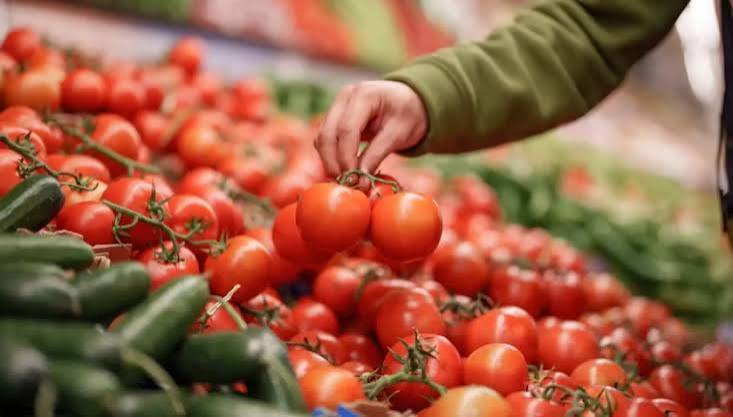
Morocco has further strengthened its position as Spain’s largest supplier of fresh fruits and vegetables, reinforcing its growing importance in the European agricultural market. The country’s expanding agricultural exports reflect years of investment in modern farming, irrigation infrastructure, logistics, and trade partnerships, enabling Moroccan produce to reach European consumers efficiently throughout the year.
The rise in exports highlights Morocco’s increasing competitiveness in the production of high-quality fresh produce, including tomatoes, peppers, cucumbers, berries, citrus fruits, melons, avocados, and other horticultural products. Favorable climatic conditions, improved farming technologies, and proximity to European markets have allowed Moroccan exporters to supply fresh produce consistently, particularly during periods when domestic production in Spain and other European countries is lower.
Spain remains one of Europe’s largest markets for fresh fruits and vegetables, making Morocco a key trading partner in ensuring year-round availability of fresh produce. Efficient transport networks, including refrigerated road and sea freight across the Mediterranean, have significantly reduced delivery times and maintained product freshness, strengthening commercial ties between the two countries.
Morocco’s agricultural sector has benefited from substantial government support aimed at improving productivity and sustainability. Investments in drip irrigation, greenhouse cultivation, precision farming, and water-efficient technologies have enabled growers to increase production while adapting to the challenges of climate change and water scarcity. Export-oriented farming has also created employment opportunities in rural areas and contributed significantly to the country’s economy.
The growing trade relationship benefits both countries. Spanish importers gain access to a reliable supply of fresh produce that helps stabilize markets and meet consumer demand throughout the year. At the same time, Moroccan producers benefit from access to one of Europe’s largest food markets, generating valuable export earnings and strengthening the country’s agricultural export sector.
However, the rapid growth of Moroccan exports has also sparked debate within parts of the European farming community. Some producer organizations have expressed concerns about increasing competition, pricing pressures, and differences in production costs between Morocco and European Union member states. Farmers in certain regions argue that imported produce can place additional pressure on domestic markets during peak marketing seasons.
Despite these concerns, agricultural trade experts note that Morocco and Spain have developed complementary supply chains that help ensure food availability across Europe. Seasonal production differences allow Moroccan produce to fill market gaps, supporting retailers and consumers with a stable supply of fresh fruits and vegetables throughout the year.
Looking ahead, Morocco is expected to continue expanding its presence in European agricultural trade by investing in sustainable farming practices, improving quality standards, and diversifying its export portfolio. Increasing demand for fresh, high-quality produce across Europe presents significant opportunities for Moroccan exporters, provided they continue to meet stringent food safety, traceability, and environmental requirements.
As global food supply chains evolve amid climate change and shifting consumer preferences, Morocco’s growing role as Spain’s leading fresh produce supplier underscores its emergence as a major agricultural trading partner in Europe. The country’s continued focus on innovation, sustainability, and export competitiveness is likely to strengthen its position in international fresh produce markets in the years ahead.


 By
By











