

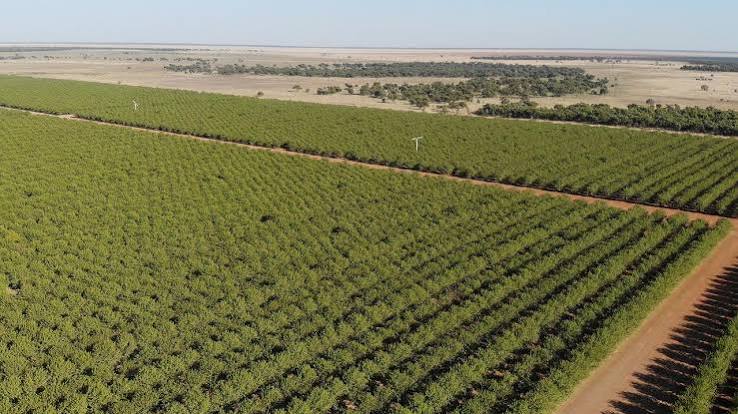
Agricultural policymakers and experts around the world are increasingly calling for a shift in focus from simply increasing crop production to improving farmers’ incomes and livelihoods. While boosting agricultural output remains important for ensuring food security, experts argue that higher production alone does not guarantee better earnings for farmers. Instead, they advocate for policies that promote diversification, technology adoption, value addition, and market reforms to create a more profitable and resilient agricultural sector.
For decades, many agricultural policies have concentrated on maximizing yields through improved seeds, fertilizers, irrigation, and mechanization. These efforts have significantly increased food production in many countries. However, fluctuating market prices, rising input costs, climate change, and supply chain inefficiencies have often prevented farmers from translating higher production into higher incomes.
Agricultural economists emphasize that increasing farm income requires a broader approach that addresses the entire agricultural value chain. Diversifying farm activities is considered one of the most effective strategies. By cultivating a mix of crops, integrating livestock, horticulture, fisheries, or agroforestry, farmers can reduce dependence on a single commodity, spread risks, and create multiple sources of income throughout the year.
Technology adoption is another key driver of higher farm profitability. Precision agriculture, digital advisory platforms, drones, artificial intelligence, satellite-based monitoring, and smart irrigation systems enable farmers to optimize the use of water, fertilizers, and crop protection products. These technologies help lower production costs, improve productivity, and enhance decision-making, ultimately increasing returns from farming.
Experts also stress the importance of value addition. Instead of selling raw agricultural produce, farmers can generate higher profits by processing, grading, packaging, branding, and marketing their products. Activities such as producing fruit juices, dairy products, spices, processed grains, or packaged vegetables allow farmers to capture a larger share of the consumer market while creating employment opportunities in rural areas.
Market reforms remain central to improving farm incomes. Efficient supply chains, better storage facilities, transparent pricing mechanisms, digital marketplaces, and improved access to domestic and international markets help farmers receive fair prices for their produce. Strengthening farmer producer organizations (FPOs), cooperatives, and contract farming models can also improve bargaining power and reduce marketing costs.
Climate resilience is becoming an equally important component of income-focused agricultural policies. Investments in drought-tolerant crop varieties, efficient irrigation systems, crop insurance, weather forecasting, and sustainable farming practices help reduce the financial risks associated with extreme weather events. Stable production under changing climate conditions contributes directly to more predictable farm incomes.
Access to affordable finance and credit also plays a crucial role. Many smallholder farmers lack the capital needed to invest in improved technologies, quality inputs, or post-harvest infrastructure. Expanding access to agricultural loans, insurance, and financial services can help farmers modernize their operations and improve long-term profitability.
Governments, development agencies, and international organizations are increasingly recognizing that sustainable agricultural growth should be measured not only by higher yields but also by improved rural livelihoods. Policies that encourage innovation, entrepreneurship, skill development, and stronger market linkages are helping transform agriculture from a subsistence activity into a profitable enterprise.
As global agriculture faces mounting challenges from climate change, rising production costs, and changing consumer demands, the focus on farmer income marks an important shift in agricultural policy. By promoting diversification, technological innovation, value addition, market reforms, and climate-smart farming, countries can build more resilient agricultural systems that not only produce enough food but also ensure better incomes, improved living standards, and long-term prosperity for farming communities.


 By
By











