

India’s Kharif crop sowing has made a strong recovery following the revival of the southwest monsoon across major agricultural regions, significantly narrowing the planting gap that had raised concerns earlier in the season. Improved rainfall over the past few weeks has encouraged farmers to accelerate sowing operations, strengthening expectations for higher production of key crops such as rice, soybean, cotton, and maize during the 2026 Kharif season.
The early phase of the monsoon witnessed uneven rainfall across several states, delaying field preparation and sowing activities. However, the recent widespread and well-distributed rains have restored soil moisture levels, enabling farmers to resume planting at a rapid pace. Agricultural experts believe the improved weather conditions have put the season back on track and could support healthy crop development in the coming months.
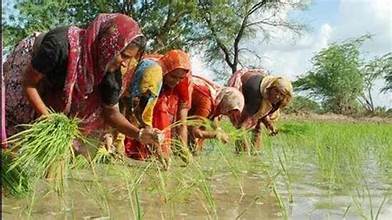
Rice, India’s most important Kharif crop, has witnessed a notable improvement in acreage as farmers in eastern, central, and southern states resumed transplanting after receiving adequate rainfall. States such as Uttar Pradesh, Bihar, West Bengal, Chhattisgarh, Odisha, Telangana, and Andhra Pradesh have reported significant progress in paddy cultivation. With reservoirs receiving fresh inflows and irrigation systems improving, the outlook for rice production has become increasingly positive.
Soybean cultivation has also picked up momentum, particularly in Madhya Pradesh, Maharashtra, and Rajasthan, which together account for the majority of India’s soybean output. Farmers had delayed sowing due to insufficient early rains, but the revival of the monsoon has allowed them to complete planting within the optimal window, reducing concerns about yield losses.
Similarly, cotton-growing states including Gujarat, Maharashtra, Telangana, and Punjab have recorded steady progress in sowing. Adequate moisture availability is expected to support healthy crop establishment, while improved weather conditions could enhance productivity if rainfall remains well-distributed throughout the growing season.
Maize acreage has expanded as well, with farmers responding positively to favorable rainfall conditions. Demand for maize from the poultry, livestock feed, and industrial sectors continues to remain strong, making the crop an attractive option for growers across several states.
Agricultural economists note that the narrowing sowing gap is an encouraging sign for India’s food security and rural economy. A successful Kharif harvest would not only help stabilize domestic food supplies but also ease inflationary pressures by ensuring adequate availability of cereals, pulses, and oilseeds. Higher agricultural production is also expected to strengthen farm incomes and support rural consumption, contributing positively to overall economic growth.
Weather experts have emphasized that the distribution of rainfall during the remaining monsoon months will be crucial for crop growth during the vegetative and reproductive stages. While current conditions are favorable, consistent rainfall without prolonged dry spells or excessive flooding will determine final yields.
The Ministry of Agriculture and allied agencies continue to monitor sowing progress, rainfall patterns, and crop conditions across the country. Extension services are advising farmers on nutrient management, pest surveillance, and efficient water use to maximize productivity during the season.
With the monsoon regaining momentum and planting activities progressing steadily, India’s agricultural sector is once again looking toward a promising Kharif harvest. If favorable weather persists through the remainder of the season, the country could achieve robust production of rice, soybean, cotton, maize, and other major crops, reinforcing food security and supporting the livelihoods of millions of farmers.


 By
By











