

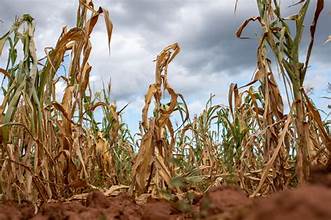
Europe is facing mounting agricultural challenges as intense heatwaves have caused an estimated €2 billion in crop losses, raising fresh concerns about declining grain production, rising food prices, and increasing dependence on imports. The prolonged periods of extreme heat and limited rainfall have affected key farming regions across the continent, threatening harvests of wheat, barley, maize, and other major crops.
Agricultural experts warn that the unusually high temperatures have placed significant stress on crops during critical stages of growth, reducing yields and affecting grain quality. Several European countries have experienced prolonged dry spells, leading to moisture deficits in agricultural soils and limiting crop development. The combination of heat stress and drought has emerged as one of the most serious challenges for the region’s farming sector this season.
Europe is one of the world’s leading producers and exporters of cereals, making any reduction in its grain output a matter of global importance. Lower production could tighten international grain supplies, particularly at a time when global food markets continue to face pressure from climate-related disruptions, geopolitical uncertainties, and rising production costs.
The estimated €2 billion in agricultural losses reflects the widespread impact of extreme weather on farming communities. In addition to grain crops, oilseeds, vegetables, fruits, and forage crops have also suffered damage in several regions. Livestock farmers are experiencing additional pressure as reduced pasture growth and lower forage availability increase feed costs.
Agricultural economists believe reduced European grain production may contribute to higher international prices for wheat, maize, and other staple commodities. Countries that rely heavily on imported cereals could face increased import bills, while consumers worldwide may experience higher prices for bread, flour, cooking oil, meat, dairy products, and processed foods due to rising feed and raw material costs.
Climate experts note that heatwaves are becoming more frequent and intense across Europe as global temperatures continue to rise. Extreme weather events, including prolonged droughts, heat stress, and irregular rainfall patterns, are increasingly affecting agricultural productivity and creating greater uncertainty for farmers. These conditions highlight the urgent need for climate-resilient farming systems capable of adapting to changing environmental conditions.
Governments and agricultural agencies across Europe are closely monitoring crop conditions and assessing the full extent of production losses. Many countries are considering additional support measures for affected farmers, including financial assistance, drought relief programs, and investments in irrigation infrastructure to reduce future climate risks.
Researchers emphasize that adopting climate-smart agricultural practices will be essential for improving resilience. The use of drought-tolerant crop varieties, precision irrigation technologies, soil moisture conservation techniques, and improved weather forecasting can help farmers better manage the impacts of extreme temperatures. Investments in agricultural research and innovation are also expected to play a crucial role in protecting future food production.
Global grain traders are keeping a close watch on Europe’s harvest prospects, as reduced supplies from one of the world’s major producing regions could influence international trade flows. Import-dependent nations may increasingly seek alternative suppliers, while exporting countries could experience stronger demand if European production continues to decline.
Although the final impact on harvest volumes will depend on weather conditions during the remainder of the growing season, the current heatwave has already underscored the vulnerability of global agriculture to climate change. As crop losses mount and concerns over food security intensify, Europe faces the challenge of balancing agricultural productivity with long-term climate adaptation.
The ongoing heatwave serves as a reminder that extreme weather is no longer an isolated event but a growing risk to global food systems. Strengthening climate resilience, investing in sustainable agriculture, and supporting farmers through innovation will be critical to ensuring stable food supplies and protecting consumers from future price shocks.


 By
By











