

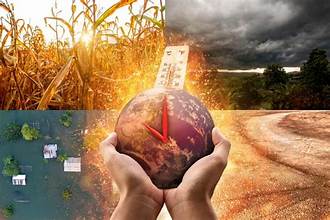
A new United Nations-backed report has warned that escalating geopolitical conflicts, rising energy costs, and increasingly frequent climate-related disasters pose serious threats to global food security, with developing countries facing the greatest risk. The report cautions that recent progress in reducing hunger and improving food access could be reversed if governments fail to address these interconnected challenges through coordinated international action.
According to the report, the global food system remains highly vulnerable to external shocks. Armed conflicts continue to disrupt agricultural production, damage rural infrastructure, and interrupt food supply chains in several regions. At the same time, higher energy prices are increasing the cost of farming, transportation, fertilizer production, and food processing, placing additional financial pressure on both producers and consumers.
The United Nations emphasized that climate change is further intensifying the crisis. More frequent droughts, floods, heatwaves, storms, and unpredictable rainfall patterns are reducing crop yields, affecting livestock production, and threatening the livelihoods of millions of farmers worldwide. These climate-related shocks are particularly severe in low-income countries, where agricultural systems often have limited capacity to adapt.
The report highlights that developing nations remain the most vulnerable because they depend heavily on agriculture for employment and economic growth while facing limited financial resources to cope with rising production costs and climate impacts. Many countries also rely on imported food, fuel, and fertilizers, making them especially sensitive to disruptions in international markets.
Higher energy prices have emerged as a major concern for the agricultural sector. Increased fuel costs raise the expense of operating farm machinery, irrigation systems, and transporting agricultural products to markets. Fertilizer manufacturing, which relies heavily on natural gas and other energy sources, has also become more expensive, leading to higher input costs for farmers and potentially lower crop productivity.
Food security experts warn that continued geopolitical tensions could further disrupt global trade in cereals, vegetable oils, fertilizers, and other essential agricultural commodities. Supply chain interruptions may reduce food availability, increase market volatility, and contribute to higher food inflation, particularly in countries already experiencing economic challenges.
The report calls for stronger international cooperation to build more resilient and sustainable food systems. Governments are encouraged to invest in climate-smart agriculture, improve food storage and distribution networks, strengthen agricultural research, and support smallholder farmers through better access to finance, technology, and extension services. Expanding social protection programs and improving emergency food assistance are also considered essential to protecting vulnerable populations during periods of crisis.
United Nations agencies further recommend diversifying food production systems, reducing dependence on imported agricultural inputs, and promoting sustainable farming practices that improve resilience to climate change. Investments in renewable energy for agriculture, water-efficient irrigation, and digital farming technologies could help reduce production costs while increasing long-term sustainability.
Agricultural economists note that ensuring global food security will require coordinated efforts involving governments, international organizations, private-sector stakeholders, and research institutions. Addressing the combined effects of conflict, energy market instability, and climate change is seen as critical to achieving the Sustainable Development Goal of ending hunger by 2030.
The report concludes that while significant progress has been made in improving food production and reducing hunger in recent years, these gains remain fragile. Without timely policy interventions and sustained international collaboration, millions more people could face food insecurity in the years ahead.
As global challenges continue to reshape agricultural markets, the United Nations has urged countries to strengthen food system resilience, promote sustainable agricultural development, and work collectively to ensure safe, affordable, and nutritious food remains accessible for people around the world.


 By
By











