

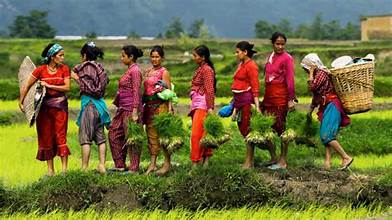
Nepal’s dependence on imported food continues to increase as declining agricultural productivity, labour shortages, and rising domestic demand place growing pressure on the country’s food system. The sharp rise in the national food import bill has raised concerns among policymakers, agricultural experts, and economists about Nepal’s long-term food security and the sustainability of its agricultural sector.
Despite agriculture remaining a major source of employment and livelihood for millions of people, the sector has struggled to keep pace with the country’s growing food requirements. Reduced farm productivity, shrinking cultivated land, and changing rural demographics have limited domestic production, forcing Nepal to rely increasingly on imports of cereals, vegetables, fruits, edible oils, dairy products, and other essential food commodities.
One of the key factors behind the rising import dependence is the shortage of agricultural labour. Large-scale migration of young workers to urban areas and overseas employment has left many rural communities with fewer people available for farming. As a result, thousands of hectares of arable land remain underutilized or have been abandoned, reducing the country’s overall agricultural output.
Agricultural experts also point to low mechanization, fragmented landholdings, inadequate irrigation facilities, and limited access to quality seeds and modern farming technologies as major constraints on productivity. Climate-related challenges, including irregular rainfall, floods, droughts, and changing weather patterns, have further affected crop yields and increased production risks for farmers.
At the same time, Nepal’s population growth, urbanization, and changing dietary preferences have driven higher demand for food products. Rising household incomes in urban centers have increased the consumption of processed foods, fruits, vegetables, dairy products, and protein-rich commodities, many of which are imported to meet domestic demand.
Economists warn that a growing food import bill places additional pressure on Nepal’s foreign exchange reserves and trade balance. Heavy reliance on imported food also exposes the country to global price volatility, supply chain disruptions, and geopolitical uncertainties that can affect food availability and affordability.
Government officials and agricultural institutions have emphasized the need to strengthen domestic agricultural production through increased investment in modern farming technologies, irrigation infrastructure, improved seed systems, and agricultural research. Expanding access to farm mechanization and promoting climate-resilient agricultural practices are considered essential for improving productivity and reducing dependence on imports.
Experts also recommend encouraging youth participation in agriculture by creating profitable agribusiness opportunities, improving rural infrastructure, and expanding access to agricultural credit and extension services. Greater private-sector investment in food processing, storage, and value-chain development could help reduce post-harvest losses while increasing the competitiveness of locally produced food.
Food security specialists believe Nepal must adopt a comprehensive strategy that combines productivity enhancement with sustainable resource management. Investments in climate-smart agriculture, efficient water use, digital farming technologies, and farmer training can strengthen resilience against climate change while boosting long-term food production.
Regional cooperation and improved agricultural trade policies may also play an important role in ensuring stable food supplies. However, experts emphasize that increasing domestic production remains the most effective way to improve food self-sufficiency and reduce vulnerability to external market shocks.
As Nepal’s food import dependence continues to rise, the challenge of balancing growing consumer demand with domestic agricultural capacity has become increasingly urgent. Strengthening the country’s farming sector through innovation, policy support, and sustainable investment will be crucial for ensuring long-term food security, improving rural livelihoods, and reducing reliance on imported food in the years ahead.


 By
By











