

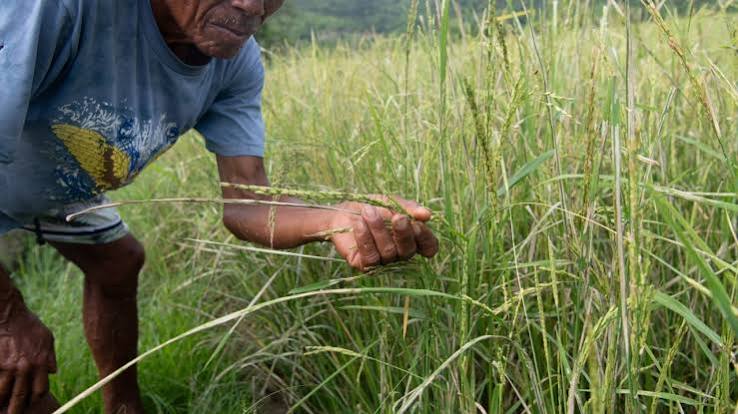
The Philippine government has intensified its efforts to safeguard the country’s agricultural sector against the possible arrival of a Super El Niño, launching a series of preventive measures aimed at protecting food production, conserving water resources, and strengthening climate resilience. Authorities are prioritizing irrigation planning, efficient water management, and farmer support programs to minimize the potential impact of prolonged drought and extreme weather conditions on the nation’s food supply.
Government officials have emphasized that early preparedness is essential as weather experts continue to monitor climate conditions in the Pacific Ocean. Although the exact intensity and duration of the developing El Niño remain uncertain, policymakers are taking proactive steps to reduce risks before severe weather conditions begin affecting agricultural production.
Agriculture remains a vital pillar of the Philippine economy, employing millions of people and providing food and livelihoods for rural communities. However, the country’s farming sector is highly vulnerable to climate variability, with prolonged dry spells, heat waves, and irregular rainfall often leading to lower crop yields, water shortages, and increased production costs.
A key focus of the government’s preparedness strategy is the strengthening of irrigation systems. Water authorities and agricultural agencies are coordinating the management of reservoirs, dams, and irrigation networks to ensure sufficient water supplies for farms during the dry season. Officials are also encouraging farmers to adopt efficient irrigation techniques that maximize water use while reducing wastage.
In addition to water management, agricultural experts are advising farmers to adjust planting schedules based on updated weather forecasts and regional climate outlooks. Early planning can help producers avoid the most severe periods of drought while improving the chances of successful crop establishment. Extension officers are working closely with farming communities to provide technical guidance on climate-smart agricultural practices.
Rice, the country’s staple food crop, is expected to receive special attention under the preparedness plan. Authorities are promoting the use of drought-tolerant rice varieties and improved crop management practices to maintain production despite potentially challenging weather conditions. Support measures are also being extended to producers of corn, vegetables, coconut, sugarcane, and other key agricultural commodities that may be affected by reduced rainfall.
Livestock and fisheries are also included in the government’s contingency planning. Water shortages and high temperatures can reduce pasture availability, increase heat stress among farm animals, and affect aquaculture production. Veterinary services and fisheries agencies are preparing advisory programs to help farmers and fishers reduce climate-related risks and protect animal health.
The Philippine government is further strengthening its early warning systems by enhancing weather monitoring and communication with local governments. Timely dissemination of climate forecasts will allow farmers to make informed decisions regarding planting, irrigation, harvesting, and resource management. Digital platforms, mobile advisories, and community-based extension services are expected to play an important role in delivering real-time information to agricultural producers.
Agricultural economists note that climate preparedness not only helps protect farm production but also contributes to national food security by reducing the risk of supply shortages and food price inflation. Stable agricultural output is particularly important as global food markets continue to experience volatility due to geopolitical tensions, rising input costs, and changing climate conditions.
The government is also encouraging investments in climate-resilient infrastructure, including farm reservoirs, rainwater harvesting systems, solar-powered irrigation facilities, and modern water-saving technologies. These long-term initiatives are expected to improve the resilience of Philippine agriculture against future climate extremes beyond the current El Niño threat.
Experts emphasize that while El Niño is a naturally occurring climate phenomenon, its impacts can be significantly reduced through early preparation, coordinated planning, and the adoption of sustainable farming practices. Strong collaboration among government agencies, local authorities, research institutions, and farming communities will be essential to ensuring an effective national response.
As the Philippines prepares for the possibility of a Super El Niño, the government’s proactive approach demonstrates a growing commitment to protecting farmers, securing food production, and strengthening agricultural resilience. By investing in irrigation planning, water management, climate-smart farming, and early warning systems, the country aims to minimize the impact of extreme weather while ensuring a stable and sustainable food supply for its population.


 By
By











