

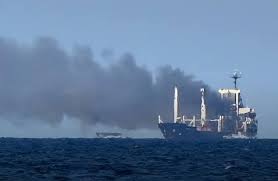
Global wheat markets are facing renewed pressure as weather-related production concerns and disruptions around the Black Sea region raise fears over international supplies. The latest data from the Food and Agriculture Organization of the United Nations (FAO) show that cereal prices increased sharply in July, adding to concerns about the outlook for global food markets.
Wheat remains one of the world’s most important staple crops, supplying food for billions of people and serving as a major ingredient in animal feed and processed food products. Any significant disruption to production or international trade can therefore have consequences well beyond the agricultural sector.
Weather Concerns Weigh on Wheat Production
Unfavourable weather conditions have emerged as a major factor influencing wheat markets. Crop development in several important producing regions has been affected by changing weather patterns, increasing uncertainty over yields and harvest prospects.
Periods of excessive heat, insufficient rainfall or other extreme weather events can reduce crop productivity, particularly during critical stages of wheat development. As traders assess the potential impact on production, concerns over tighter supplies can contribute to higher international prices.
The uncertainty is particularly important during the Northern Hemisphere’s wheat harvest period, when markets closely monitor crop conditions and updated production forecasts.
Black Sea Region Remains Critical
The Black Sea region continues to play a crucial role in global wheat trade. Countries in the region are among the world’s major producers and exporters, making the stability of ports, transport routes and export infrastructure essential for international food supplies.
Disruptions around the Black Sea have increased concerns among international buyers and traders. Damage to infrastructure, interruptions to shipping routes and geopolitical tensions can make it more difficult and costly to move agricultural commodities from producing regions to global markets.
Even when sufficient wheat is available, logistical problems can delay shipments and increase transportation and insurance costs. Such disruptions can therefore contribute to higher market prices and greater uncertainty for importing countries.
FAO Data Show Cereal Prices Rising
The FAO Food Price Index recorded an increase in July, with cereals among the commodity groups contributing to the overall rise. Wheat and maize prices were particularly affected by weather-related concerns and geopolitical disruptions.
The increase highlights the sensitivity of global cereal markets to changes in supply expectations. Wheat prices can react quickly when traders anticipate lower production, export restrictions or transportation difficulties.
Maize prices also strengthened, adding to broader pressure across global grain markets. Since maize is widely used for food, animal feed and industrial purposes, higher prices can affect several parts of the agricultural value chain.
Implications for Food Security
Higher wheat prices could create challenges for countries that rely heavily on imports to meet domestic demand. Rising international prices can increase import bills and place additional pressure on food processors, governments and consumers.
For developing economies, the impact can be particularly significant because wheat and wheat-based products form an important part of household diets. Governments may therefore need to closely monitor global markets and ensure adequate domestic availability.
Higher grain prices can also increase livestock and poultry production costs when wheat or other cereals are used as feed ingredients. This may eventually influence the prices of meat, eggs and other animal products.
Outlook Remains Uncertain
The direction of wheat prices in the coming months will depend on several factors, including actual harvest results, weather conditions, export flows from major producing countries and developments around the Black Sea.
A recovery in production or smoother international trade could ease some of the current pressure. However, prolonged weather problems or further geopolitical disruptions could keep global wheat markets volatile.
The latest FAO figures underline the importance of resilient agricultural production and stable international supply chains. With wheat remaining central to global food security, developments in major producing and exporting regions will continue to be closely watched by farmers, traders, governments and consumers worldwide.


 By
By











