

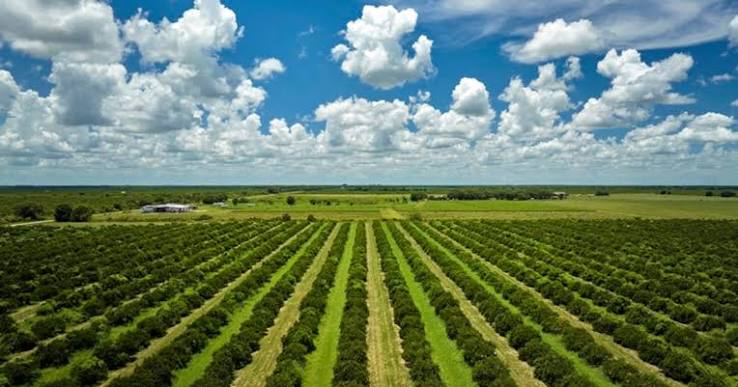
The United States is expanding financial support for specialty-crop farmers as producers continue to face pressure from rising production costs, market uncertainty and difficult operating conditions. Under the U.S. Department of Agriculture’s (USDA) Assistance for Specialty Crop Farmers program, eligible producers are set to receive $1.625 billion in one-time bridge payments.
The support is intended to provide short-term financial relief to specialty-crop producers and strengthen the economic stability of farms producing fruits, vegetables, tree nuts, nursery crops and other high-value agricultural commodities.
Direct Support for Specialty-Crop Producers
Specialty crops represent an important segment of U.S. agriculture. Unlike major field crops such as corn, wheat and soybeans, specialty crops include a wide range of fruits, vegetables, nuts, horticultural products and other commodities.
These crops often require intensive management, including higher labour requirements, irrigation, pest and disease control, harvesting and post-harvest handling. As a result, producers can be particularly sensitive to increases in input costs and disruptions across agricultural supply chains.
The one-time bridge payments are designed to help eligible farmers manage financial pressures while maintaining production and supporting farm operations.
Rising Costs Affect Farm Incomes
U.S. specialty-crop producers have faced a challenging economic environment in recent years. Higher costs for labour, fuel, fertilisers, crop-protection products, irrigation, packaging and transportation can significantly increase the cost of bringing produce to market.
At the same time, farmers often have limited control over the prices they receive. Perishable products must generally be harvested and marketed within a limited period, making producers vulnerable to changes in consumer demand, market conditions and supply levels.
Financial assistance can therefore provide farmers with additional flexibility to manage short-term cash-flow challenges.
Importance of Specialty Crops to the Food System
Specialty crops play a critical role in the U.S. food system. Fruits and vegetables are essential components of healthy diets, while nuts and other specialty commodities contribute significantly to domestic consumption and agricultural exports.
The sector also supports a wide network of workers, processors, distributors, retailers and rural businesses. Maintaining the financial health of specialty-crop farms can therefore have benefits throughout rural economies.
By helping producers remain financially stable, government support may also help preserve domestic production capacity and reduce the risk of farms leaving the sector.
Bridge Payments Offer Temporary Relief
The $1.625 billion package is described as one-time bridge support, meaning it is primarily intended to help producers manage immediate financial challenges rather than provide a permanent income guarantee.
For farmers facing unexpected costs or weaker market returns, such payments can help cover essential operating expenses, maintain employment and continue investments needed for the next production cycle.
However, longer-term farm profitability will continue to depend on market prices, input costs, labour availability, weather conditions and consumer demand.
Weather Remains an Additional Risk
Specialty-crop producers are also highly exposed to weather-related risks. Extreme heat, drought, flooding, frost and storms can damage crops and reduce marketable yields.
Because many specialty crops are highly perishable, even short-term disruptions can result in significant financial losses. Crop damage can reduce both the quantity and quality of produce available for sale.
Climate variability therefore adds another layer of uncertainty for producers already dealing with high operating costs.
Support Highlights Pressure on Farm Incomes
The scale of the USDA’s assistance package reflects the economic challenges facing parts of the specialty-crop sector. While the payments can provide immediate relief, producers continue to face structural challenges related to production costs, labour, market access and climate risks.
For policymakers, maintaining a resilient specialty-crop sector will require more than short-term financial assistance. Investments in agricultural research, water efficiency, labour solutions, market development, crop insurance and climate-resilient farming practices could play an important role in strengthening the sector.
The $1.625 billion in bridge payments nevertheless provides significant near-term support for eligible producers. As specialty-crop farmers navigate an increasingly complex agricultural environment, the assistance could help farms maintain operations, protect rural jobs and continue supplying fruits, vegetables, nuts and other important products to U.S. consumers.


 By
By











