

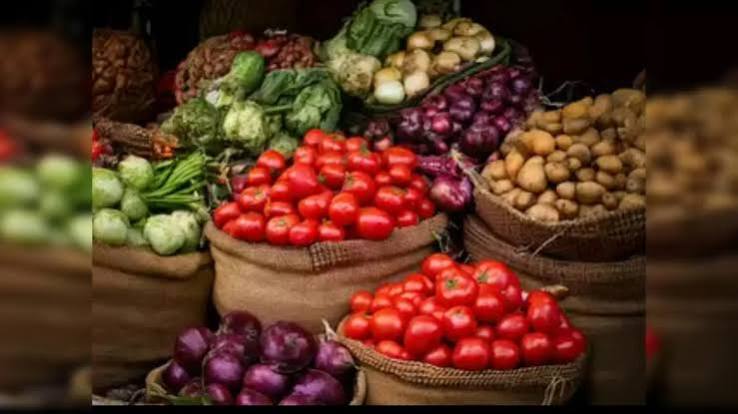
Global food prices increased in July 2026, driven largely by a sharp rise in cereal and wheat prices amid growing concerns over export disruptions, infrastructure damage and weather-related crop losses. According to the latest data from the Food and Agriculture Organization of the United Nations (FAO), the FAO Food Price Index averaged 131.1 points in July, up 0.6% from June.
The FAO Cereal Price Index recorded a much stronger increase, reaching 113.8 points in July—3.4% higher than in June and 6.9% above its level a year earlier. Wheat emerged as one of the biggest contributors to the increase, with global wheat prices rising 5.8% in July.
Black Sea disruptions push wheat prices higher
FAO attributed the sharp rise in wheat prices to heightened concerns over continued disruptions to Black Sea export flows. Damage to export infrastructure has added further uncertainty to international grain supplies, while weather-related production risks have intensified the pressure on markets.
Recent heatwaves in several key wheat-producing countries have also raised concerns about crop yields. These developments have increased uncertainty over the availability of wheat for international trade, contributing to stronger global prices.
The latest increase means international wheat prices were 9.9% higher than in July 2025, highlighting a significant shift in the global wheat market over the past year. For countries that depend heavily on imported cereals, sustained increases could put additional pressure on food import bills and domestic food prices.
Cereal markets remain under pressure
The rise in the cereal index was part of a broader movement in global food commodity markets. FAO reported that increases in cereals, sugar and vegetable oils were only partly offset by declines in meat and dairy prices. As a result, the overall Food Price Index moved higher in July.
However, despite the monthly increase, the overall FAO Food Price Index remained 18.2% below its record peak reached in March 2022. This indicates that global food prices are still well below the extraordinary levels witnessed during the 2022 food-price crisis.
What it means for farmers and consumers
The latest price movement underscores the sensitivity of global agricultural markets to geopolitical disruptions and extreme weather. Wheat is a major staple and an important raw material for products such as bread, flour and processed foods. Therefore, prolonged increases in international wheat prices could eventually influence food costs in import-dependent markets.
For farmers, higher international prices can provide improved market opportunities, but they also come with uncertainty over input costs, weather conditions and future demand. Governments and food-importing countries may need to closely monitor global cereal markets and maintain adequate stocks to reduce the impact of sudden price shocks.
The July figures from FAO serve as a reminder that global food security remains closely linked to stable trade routes, resilient agricultural production and favourable weather conditions. With Black Sea trade disruptions and extreme heat continuing to pose risks, wheat and other cereals are likely to remain closely watched commodities in the months ahead.


 By
By











