

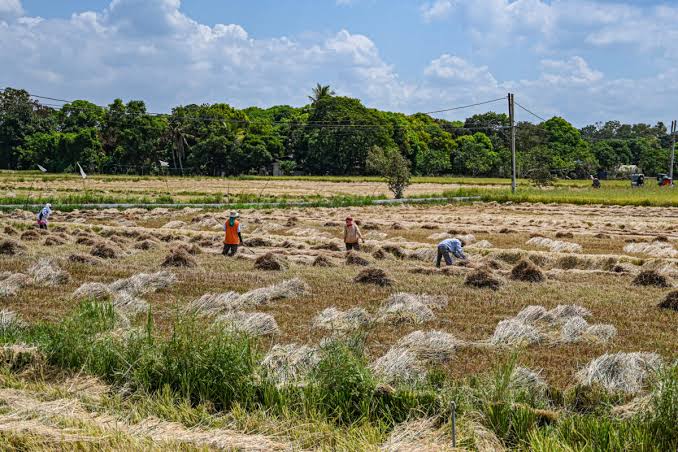
The Philippines is strengthening its food-security measures as the government prepares for the possible impact of El Niño and rising fuel costs, with a greater focus on boosting domestic agricultural production and making food supply chains more resilient.
The country’s Department of Agriculture is stepping up preparations amid concerns that changing weather conditions and higher operating costs could create additional pressure on farmers, food producers and consumers. The government is looking to strengthen domestic food production while ensuring that essential commodities remain available and affordable.
El Niño Raises Agricultural Risks
El Niño is a major concern for the Philippines because changes in rainfall and temperature patterns can affect agricultural production. Prolonged periods of below-normal rainfall can reduce water availability for irrigation, increase crop stress and threaten yields.
Rice, corn and other major food crops could be particularly vulnerable if dry conditions persist in important farming areas. Reduced agricultural output could place additional pressure on domestic food supplies and increase the country’s dependence on imports.
To reduce these risks, authorities are encouraging stronger preparedness measures and closer monitoring of weather and agricultural conditions. Timely information can help farmers make better decisions regarding planting schedules, crop selection and water management.
Higher Fuel Costs Add to Pressure
The potential impact of El Niño comes alongside concerns over rising fuel costs. Fuel is a critical component of modern agriculture, affecting farm machinery, irrigation systems, transportation, fishing and the movement of agricultural products from farms to markets.
Higher fuel prices can therefore increase production and logistics expenses throughout the food supply chain. Farmers may face higher costs for land preparation, irrigation and harvesting, while traders and distributors may experience increased transportation expenses.
These additional costs can eventually influence retail food prices, particularly when combined with weather-related production losses.
Focus on Domestic Food Production
The Philippine government is placing greater emphasis on strengthening domestic food production as part of its broader food-security strategy.
Increasing local production can help reduce vulnerability to disruptions in international markets and provide greater stability when global commodity prices rise. Strengthening domestic supply chains can also improve farmers’ access to markets and reduce losses during transportation and storage.
Agricultural support programmes, improved farm technologies, better irrigation systems and access to quality seeds can all contribute to stronger production capacity.
Building a More Resilient Food System
The current preparations highlight the importance of developing a food system capable of absorbing multiple shocks at the same time. Climate events, energy-price increases, geopolitical disruptions and international supply-chain problems can all affect food availability and prices.
For farmers, climate-resilient practices such as efficient irrigation, drought-tolerant varieties, crop diversification and improved soil-moisture management can help reduce production risks.
The government will also need to maintain close coordination among agricultural agencies, local authorities, farmers and food businesses to ensure that potential supply disruptions are identified early.
Food Security Remains a Priority
As the Philippines prepares for possible El Niño impacts, maintaining adequate food supplies and protecting agricultural production are becoming increasingly important.
The combination of climate risks and higher fuel costs could create additional challenges for farmers and consumers, but early preparation may help limit their effects.
By strengthening domestic production, improving agricultural resilience and closely monitoring food supplies, the Philippines aims to reduce its vulnerability to external shocks.
The country’s preparations offer a broader lesson for food-producing nations: investing in resilient agriculture and reliable domestic supply chains is essential for protecting food security in an increasingly uncertain climate and economic environment.


 By
By











