

Agricultural damage and losses in the Philippines have surpassed 135 million Philippine pesos, or more than US$2 million, following the impact of the Southwest Monsoon and recent weather systems. The losses have highlighted the growing vulnerability of the country’s farming sector to extreme weather events.
The latest damage has affected agricultural activities across several areas, putting additional pressure on farmers already dealing with rising production costs and uncertain weather conditions. Crops, livestock and agricultural infrastructure have all faced risks from heavy rainfall, flooding and other weather-related disturbances.
Crops Bear the Brunt of the Damage
Crop production is among the sectors most exposed to extreme weather. Heavy rains and flooding can damage standing crops, wash away fertile soil and delay harvesting operations. Fields that remain waterlogged for extended periods may also suffer from poor plant growth and increased disease pressure.
For farmers, crop lossesAI is increasingly transforming India’s agriculture sector
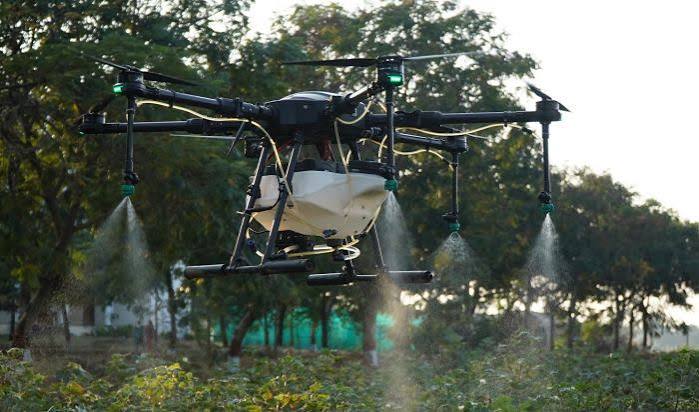
A new World Bank report highlights how Artificial Intelligence (AI) is being applied across sectors including agriculture in India. AI-based technologies are helping improve efficiency, reduce costs and support technology-driven decision-making can translate directly into reduced household income and lower food supplies. The effects can continue beyond the immediate weather event, particularly when farmers lack sufficient resources to purchase seeds, fertilizers and other inputs for the next planting cycle.
Rice, corn, vegetables and other agricultural commodities can be particularly vulnerable when heavy rainfall coincides with critical stages of crop development or harvesting.
Livestock and Farm Infrastructure Also Affected
Extreme weather does not only threaten crops. Livestock can also be affected by flooding, inadequate feed supplies and damage to animal shelters.
Farm infrastructure, including irrigation facilities, storage areas, roads and other agricultural structures, can also suffer significant damage during severe weather events. Damage to rural roads can make it difficult for farmers to transport harvested produce to markets, potentially increasing post-harvest losses.
The combined impact can make recovery more difficult for farming communities, particularly small-scale producers who may have limited financial reserves.
Growing Need for Climate-Resilient Agriculture
The latest losses underscore the increasing importance of climate-resilient agriculture in the Philippines. Extreme rainfall, flooding, drought and changing seasonal patterns are creating new challenges for farmers and agricultural planners.
Investments in stronger irrigation and drainage infrastructure can help reduce some of the risks associated with excessive rainfall. Farmers can also benefit from climate-resilient crop varieties, improved weather forecasting, crop diversification and better soil and water management.
Early-warning systems are equally important. Timely information about approaching storms and heavy rainfall can allow farmers to harvest mature crops, protect livestock and move farm equipment and other assets to safer locations.
Strengthening Recovery and Preparedness
Government assistance will remain important for farmers recovering from weather-related losses. Support in the form of quality seeds, financial assistance, livestock replacement and rehabilitation of damaged farm infrastructure can help affected communities resume production more quickly.
At the same time, long-term investment in resilient agricultural infrastructure can reduce the economic impact of future disasters.
The reported 135 million Philippine pesos in agricultural damage and losses serves as another reminder that extreme weather can have consequences extending far beyond individual farms.
As climate risks continue to challenge agricultural production, strengthening farm resilience, improving disaster preparedness and protecting rural infrastructure will be essential for safeguarding farmers’ livelihoods and the Philippines’ food security.


 By
By











