

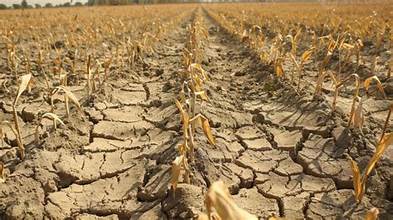
A rapidly intensifying drought across parts of Europe is raising concerns for agriculture, food production and the wider economy as water shortages put increasing pressure on farmers, crops and rural communities. The worsening conditions are affecting agricultural regions in several countries, while also creating challenges for transportation, energy production and water availability.
Drought is becoming an increasingly important risk for European agriculture as prolonged periods of limited rainfall combine with high temperatures. Farmers depend heavily on predictable rainfall and adequate irrigation supplies, particularly during critical stages of crop development. When water reserves decline, crops can suffer from heat stress, reduced growth and lower yields.
Northern Italy is among the regions facing significant agricultural pressure. The area’s rice industry is particularly vulnerable because rice cultivation requires substantial amounts of water throughout the growing season. Lower water availability in rivers, reservoirs and irrigation networks can make it more difficult for farmers to maintain sufficient supplies for their fields.
Italy is one of Europe’s leading rice-producing countries, with the northern regions playing a central role in production. A prolonged drought could therefore affect not only farmers but also rice processors, traders and consumers. Reduced output could increase dependence on imports and place additional pressure on prices if supplies become tighter.
The effects of drought extend well beyond individual crops. Water shortages can affect livestock farming, horticulture and other agricultural activities that require reliable access to water. Farmers may be forced to reduce planting, change crop choices or invest more heavily in irrigation and water-saving technologies.
The crisis is also creating wider challenges for Europe’s infrastructure and economy. Low water levels in rivers can disrupt inland transportation by reducing the amount of cargo that vessels can carry. This can increase transportation costs and complicate the movement of agricultural commodities and other essential goods.
Energy production can also be affected by water shortages. Hydropower facilities depend on adequate river flows and reservoir levels, while some thermal power plants require water for cooling. Reduced water availability can therefore add another layer of pressure to Europe’s energy system, particularly during periods of high electricity demand.
The drought highlights the growing importance of water management and climate adaptation in European agriculture. Farmers and policymakers are increasingly looking at measures such as efficient irrigation systems, improved water storage, drought-resistant crop varieties, soil moisture conservation and better monitoring of weather and water resources.
Agricultural experts also emphasize the importance of preparing for more frequent and intense periods of water stress. Improved forecasting can help farmers make decisions about planting dates, irrigation and crop selection, while investment in modern irrigation infrastructure can reduce unnecessary water losses.
For consumers, the potential impact of the drought could eventually be reflected in food prices if crop production declines significantly. Rice and other water-intensive crops could face particular pressure, while disruptions to transportation and energy systems could increase costs throughout the food supply chain.
Europe’s current drought therefore represents more than an agricultural challenge. It is a broader food, water, energy and infrastructure issue. While the severity of the impact will depend on rainfall, temperatures and water-management measures in the coming months, continued dry conditions could increase pressure on European food production.
The situation underscores the need for long-term strategies that make agriculture more resilient to extreme weather. As climate variability increases, efficient water use, resilient farming systems and coordinated resource management will become increasingly important for protecting Europe’s farmers and food supply.


 By
By











