

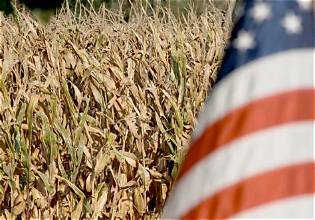
The outlook for the 2026 U.S. corn and soybean harvest is becoming increasingly uncertain as weather conditions vary widely across major farming regions. Recent observations from the U.S. crop tour have highlighted weaker yield expectations in some areas, while other parts of the Midwest continue to show more promising crop conditions.
South Dakota has emerged as one area of concern. Crop assessments have pointed to lower-than-expected corn yield potential, while soybean fields have recorded fewer pods in some locations. These indicators suggest that crops in parts of the state may struggle to reach earlier production expectations if unfavorable weather persists.
The situation is not uniform across the Midwest. Weather conditions have differed significantly from one state and growing area to another, creating a highly mixed picture for this year’s harvest. Some fields have benefited from adequate moisture and favourable growing conditions, while others have experienced heat or inconsistent rainfall.
Corn remains particularly sensitive to weather during key stages of development. High temperatures combined with insufficient moisture can affect pollination, kernel formation and final grain weight. Even relatively short periods of severe heat or drought can influence yield potential when they occur during critical growth stages.
Soybeans are also closely dependent on weather conditions. The number of pods produced by plants is an important factor in determining final yields. Adequate moisture during reproductive development can support pod formation, while heat and water stress may reduce the crop’s ability to develop and retain pods.
The latest crop tour observations are therefore being closely watched by farmers, traders, grain processors and international commodity markets. The United States is one of the world’s leading producers and exporters of both corn and soybeans, meaning changes in its harvest outlook can have implications for global feed, food and biofuel markets.
However, crop tour results represent conditions observed at specific locations and do not necessarily determine the final national harvest. Weather during the remaining growing season will continue to play a critical role. Late-season rainfall, temperatures and the timing of the first frost could all influence final production.
Farmers are also monitoring soil moisture levels and short-term weather forecasts to make decisions about irrigation, crop management and harvest preparations. In areas experiencing stress, timely rainfall could still improve crop prospects, while continued heat and dryness could lead to further reductions.
The highly variable conditions underline the difficulty of forecasting the 2026 U.S. harvest at this stage. While some regions may deliver strong yields, weaker performance in other areas could affect the overall production picture.
For global agricultural markets, the U.S. weather outlook will remain a major factor in determining corn and soybean supply expectations in the coming weeks. Continued monitoring of crop conditions and weather developments will be essential as the harvest season approaches.


 By
By











