

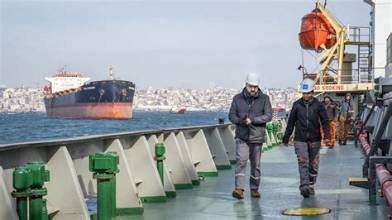
Ukraine’s grain trade is facing renewed challenges as disruptions around Black Sea ports put pressure on the country’s agricultural exports. Reports indicate that grain shipments declined significantly during the first half of August, adding to concerns among farmers and exporters about the movement of wheat, corn and other key commodities.
The Black Sea remains a crucial route for Ukraine’s agricultural trade. Large volumes of grain normally move through ports in the region to international markets. Any disruption to port operations, shipping activity or logistics can quickly affect the pace at which agricultural products reach overseas buyers.
The latest difficulties are creating additional pressure on Ukrainian farmers. Domestic prices for wheat and corn have reportedly fallen below production costs in some areas, leaving producers with limited returns despite the high expenses involved in farming.
Lower farm-gate prices can have serious consequences for the next agricultural season. Farmers need sufficient income from current crops to purchase seeds, fertilisers, fuel, machinery services and other inputs required for planting. If revenues remain weak, some producers may struggle to finance their next crop.
Ukraine is a major producer and exporter of grains, and its agricultural sector plays an important role in both the domestic economy and international food markets. Disruptions to exports can therefore affect not only Ukrainian farmers but also overseas buyers that depend on supplies from the country.
Logistical difficulties can also increase storage pressure. When grain cannot move through ports at the normal pace, farmers and traders may have to keep larger quantities in domestic storage facilities. Limited storage capacity can create additional costs and make it more difficult for producers to sell their harvest at favourable prices.
The situation comes at a particularly important time for Ukraine’s agricultural sector, as farmers are preparing for upcoming planting and production decisions. Access to affordable financing will be critical if producers are to maintain planting levels and continue investing in their farms.
For international grain markets, developments around Ukraine’s export routes remain closely watched. Any prolonged reduction in shipments could influence regional supply availability, trade flows and prices, particularly if buyers need to seek alternative sources.
However, the overall impact will depend on how quickly shipping and port operations can recover and whether alternative export routes can continue to handle agricultural volumes.
Ukraine’s farmers are therefore facing a difficult combination of logistical uncertainty, weak domestic prices and rising financial pressure. Maintaining reliable export channels and ensuring access to financing could be essential for protecting agricultural production and supporting the country’s next planting season.
The developments also underline the broader vulnerability of global food supply chains to disruptions in major grain-exporting regions. Stable transport routes remain essential for connecting farmers with international markets and ensuring that agricultural commodities reach countries that depend on imported food supplies.


 By
By











